
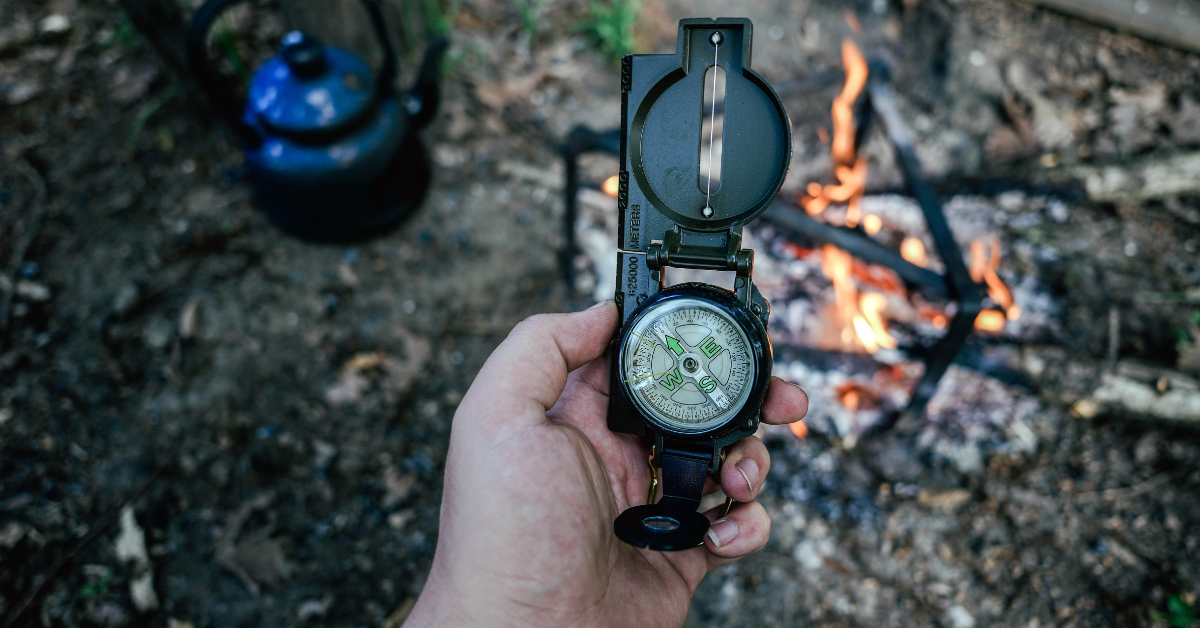
Bushcraft, far more than just an outdoor activity, is a way of life that immerses us in the heart of the wilderness. It's about learning to meet our basic needs using available natural resources: building shelter, finding water, preparing food, and generating heat. Bushcraft is neither camping nor survivalism, but a philosophy of life based on simplicity and self-reliance.
Back to basics: why practice bushcraft?
More and more people are becoming interested in bushcraft. Why this enthusiasm? Perhaps because we feel the need to reconnect with simple and authentic values. Disconnecting from technology and fully experiencing nature is an effective way to regain our balance. Bushcraft allows us to rediscover ancestral skills that bring us closer to what truly matters: survival in the wild.
To get off to a good start, it is necessary to master certain techniques gradually. Learning to build a shelter, to light a fire using natural methods, or to find drinking water are essential steps in this quest for self-sufficiency.
Choosing your equipment: shelter, hammock and tarp
One of the first steps in bushcraft is setting up camp. There are several ways to sleep in nature, and the choice of equipment often depends on the environment. A hammock is ideal for forests, while a tarp, a lightweight and versatile sheet, can be used in various settings. Add a sleeping mat for added comfort.
For those who want to experiment further, a plant-based mattress can be made with leaves or ferns. Depending on the region, a mosquito net may also be essential to protect against insects. Finally, for sleeping, opt for a sleeping bag made of synthetic material, which will be more resistant to moisture than traditional down.
The essential bushcraft kit: knife, axe and saw
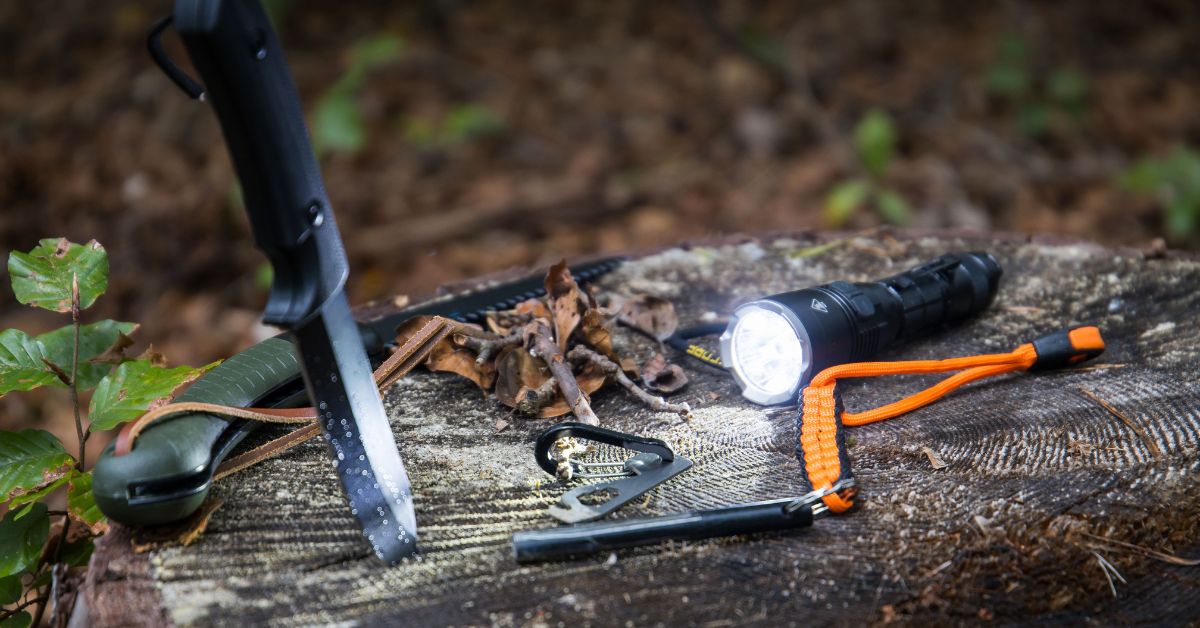
A good knife is the centerpiece of any bushcraft enthusiast's toolkit. Whether for chopping wood, preparing food, or other outdoor tasks, it needs to be robust, with a blade at least 10 cm long. For more delicate tasks, a smaller knife can also be useful.
In addition, a compact axe and a folding saw allow you to efficiently cut wood for building shelters or fueling a fire. The length of the saw blade determines the size of the wood sections you can work with. A one-handed hatchet is sufficient for quick cuts and can be easily carried in a backpack.
The essentials that make all the difference
In addition to basic tools, several accessories can make the bushcraft experience more comfortable and safer. For example, paracord is a versatile item that can be used for many purposes: building shelters, securing equipment, and more. A version with an integrated fire cord even allows you to start a fire if needed.
Other items such as a first-aid kit, a flashlight, a water bottle, and cutlery are essential for being well-prepared. Always remember to respect the environment by bringing a bag for your trash and leaving the place as clean as you found it.
Bushcraft and hunting: a natural link
Although bushcraft and hunting are distinct activities, they can complement each other. After setting up camp, you can extend the experience by trying your hand at hunting. This not only allows you to feed directly on nature's resources but also deepens your immersion in the wilderness. However, both hunting and bushcraft should always be practiced with respect for wildlife and local regulations.
If this article has inspired you and you are ready to embark on the bushcraft adventure, feel free to discover our selection of equipment on Bivouacamp to accompany you on your outings in the great outdoors.


Leave a comment
All comments are moderated before being published.
This site is protected by hCaptcha and the hCaptcha Privacy Policy and Terms of Service apply.