
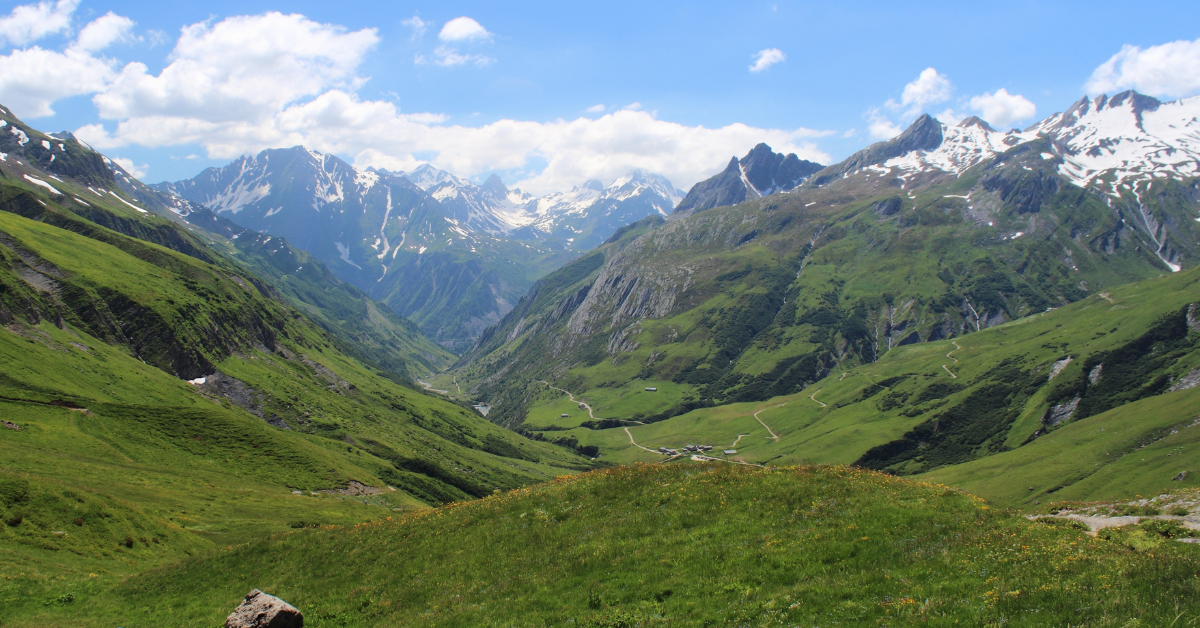
The GR5 , also known as the "Grande Traversée des Alpes" (Great Alpine Crossing), is one of France's most iconic long-distance hiking trails. This long-distance route stretches for approximately 2,280 km, linking the northern Netherlands to the Mediterranean Sea, with a particularly popular section traversing the French Alps. The trail offers hikers diverse and spectacular scenery, from the dense forests of the Vosges Mountains to the snow-capped peaks of the Alps, and finally to the sunny shores of Nice.
The GR5's Features
Distance, Duration and Elevation Gain
The GR5 long-distance hike is a formidable challenge, both in terms of its length and its elevation gain. To complete the entire trail, hikers should expect to walk for approximately 100 days, traversing diverse landscapes and encountering numerous technical difficulties. The 50,000 meters of elevation gain spread across the entire route demand peak physical condition as well as strong mental preparation. The alpine sections, in particular, are renowned for their complexity and require an advanced level of hiking skills.
Hikers who don't wish to tackle the entire GR5 can opt for shorter sections, notably the crossing of the French Alps. This portion, which generally begins in the Vosges Mountains and ends in Nice , is one of the most popular with hikers seeking adventure and breathtaking scenery.
The Essential Stages of the GR5
The GR5 crosses several of the most beautiful pre-Alpine and Alpine massifs, offering hikers panoramic views at every stage. Among the most impressive sections are Lake Anterne , a body of water surrounded by mountains, and the majestic glaciers of the Vanoise, which attract high-altitude enthusiasts. Mont Thabor , at 3,178 meters, is also an iconic peak that hikers can reach during their trek.
In addition to its mountainous landscapes, the GR5 offers the chance to discover verdant valleys, alpine lakes, and mountain huts perched high on the slopes. Each day, the scenery changes, offering a new perspective on the Alps and their natural treasures. It is this diversity that makes the GR5 an essential long-distance hiking trail for adventurers.
The Different Regions Crossed by the GR5
The Vosges Mountains: The Beginning of the Adventure
The GR5 begins in the Vosges Mountains , a region in northeastern France renowned for its verdant landscapes and dense forests. This mountain range offers a gentle start for hikers, with trails winding through wooded hills, panoramic ridges, and picturesque villages. While this section is less technical than the alpine portion, it allows hikers to acclimatize to long days of walking and the pace of the long-distance trail.
Hikers pass through remarkable sites such as the Donon Pass and the Hohneck , one of the highest peaks in the Vosges Mountains. This section of the trail is ideal for those who wish to discover the beauty of the mid-mountain landscapes while preparing for the challenges ahead in the Alps.
The Vanoise Massif: A Jewel of the Alps
After the Vosges Mountains, the GR5 trail plunges into the heart of the French Alps , crossing legendary massifs like the Vanoise . This region, located in the Northern Alps, is a true gem for hikers, with its imposing glaciers, deep valleys, and breathtaking peaks. The Vanoise National Park , established in 1963, is one of the oldest natural parks in France and protects a unique biodiversity.
The traverse through the Vanoise glaciers is undoubtedly one of the most spectacular stages of this grand hike. Hikers are surrounded by mountains reaching over 3,000 meters in altitude, with incredible views of glaciers and deep valleys. It's also an opportunity to observe alpine wildlife, including ibex and marmots, which inhabit this wild region.
The Challenges of the GR5: A Hike for Adventurers
A physically demanding course
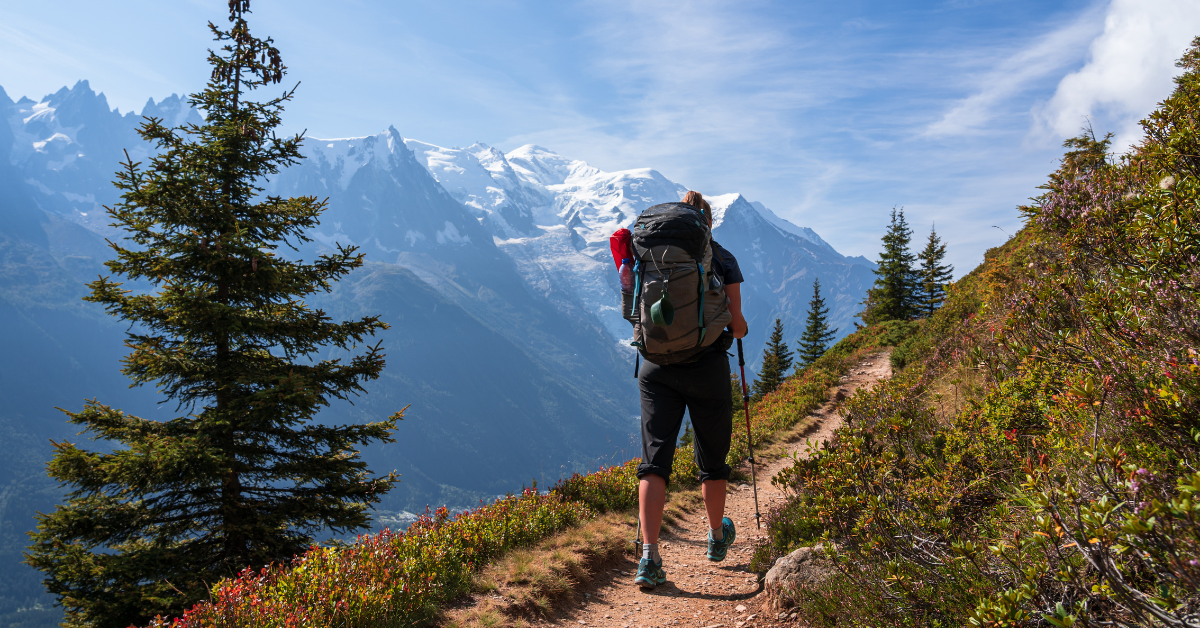
The GR5 is a challenging hike that demands excellent physical fitness. The long days of walking, combined with significant elevation changes, put a heavy strain on the leg and shoulder muscles. Hikers must also be able to carry a backpack loaded with equipment for several days, or even weeks, without significant resupply. Mountain weather can also make progress more difficult, with sudden changes in climate, especially in the higher sections of the trail.
To successfully complete this long crossing, it is essential to plan your route carefully, adapt your equipment to the conditions, and manage your effort effectively. Regular breaks, hydration, and nutrition are key aspects for maintaining endurance throughout the journey.
Mental Preparation: An Essential Element
In addition to the physical challenges, the GR5 also demands strong mental preparation. Solitude, isolation, and sometimes difficult conditions can take their toll on hikers' morale. However, the beauty of the landscapes and the satisfaction of reaching each summit offer invaluable rewards. This hike is a true test of perseverance, and moments of doubt are often followed by moments of contemplation and wonder.
Long-distance hiking is not just a test for the body, but also an opportunity to reconnect with oneself and with nature. The isolation in the high mountains, far from the distractions of daily life, allows one to refocus on what is essential and to have a profoundly enriching experience.
Accommodation and Refuges on the GR5
Sleeping in a Mountain Refuge: A Considerable Comfort
The GR5 is dotted with numerous mountain huts where hikers can spend the night. These huts offer simple but welcoming shelter, allowing hikers to rest after a long day's walk. The communal dormitories, often equipped with blankets and mattresses, offer a minimum of comfort, while the hot meals served in the evening are a welcome respite for weary hikers.
The GR5 mountain huts also offer opportunities to meet other hikers, share stories and advice, and foster a sense of camaraderie among adventurers traveling the same route. Some huts are situated in spectacular locations, offering panoramic views of the surrounding peaks, making them memorable stops along the way.
Bivouac: An Option for Nature Lovers
For hikers who prefer total immersion in nature, bivouacking is a popular option on the GR5 . Pitching your tent high in the mountains, far from civilization, offers a unique experience, bringing you closer to the elements. Bivouacking provides unparalleled freedom, allowing you to stop wherever you like and enjoy the beauty of starry nights at altitude.
However, it is important to respect certain rules when bivouacking in the mountains. In some protected areas, such as national parks, bivouacking is regulated and can only be practiced at specific times or in designated areas. Hikers must also ensure they leave the sites clean and do not disturb the local wildlife.
The Unforgettable Panoramas of the GR5
Mount Thabor and the Alpine Peaks
Mont Thabor is one of the most iconic peaks on the GR5 long -distance hiking trail. At 3,178 meters , it dominates the surrounding area and offers breathtaking views of the French Alps. Climbing this summit is a highlight of the route, with a 360-degree panorama stretching from the Écrins massif to Mont Blanc . While the ascent of Mont Thabor is technically challenging, it is accessible to well-equipped hikers and offers an unparalleled visual reward.
The GR5 also crosses other famous peaks and passes in the French Alps, each offering spectacular views of glaciers, deep valleys, and snow-capped summits. Every stage is an opportunity to discover a new landscape, with panoramas that evolve throughout the hike.
The Alpine Lakes: A Haven of Peace
In addition to its majestic peaks and rocky ridges, the GR5 long -distance hiking trail offers hikers the chance to discover some of the most beautiful alpine lakes in France. Among them, Lake Anterne is a jewel nestled between the mountains, offering crystalline reflections of the surrounding peaks. This lake is an essential stop for hikers, who can enjoy the tranquility of the area and recharge in this peaceful setting. Camping near this lake is an experience not to be missed for those who wish to spend the night in a stunning natural setting.
Other alpine lakes, such as the lakes of the Col de la Vanoise or the Lac de la Partie , dot the long-distance hiking trail and offer refreshing breaks during the days of walking. These glacial lakes provide a variety of landscapes and add a contemplative dimension to the long trek.
Planning your route on the GR5
Planning and Logistics
Preparing for a hike as long and demanding as the GR5 requires meticulous planning. Although the long-distance hiking trail is marked throughout, it is essential to study each stage in advance to ensure a smooth progression. Hikers must take into account elevation changes, water resupply points, and the weather, which can be unpredictable, especially in the Alps.
It is recommended to carry a detailed map of the route, a hiking guide specifically for the GR5 , and a GPS app to avoid getting lost on less frequented sections. Hikers should also carefully consider their equipment, opting for sturdy hiking boots, technical clothing suitable for changing conditions, and a lightweight backpack large enough to carry everything they need.
Food and Hydration
Managing food and hydration is crucial for a successful long-distance hike like the GR5 . While some stages offer resupply points in mountain huts or villages, it's advisable to carry enough provisions for several days, especially in the more isolated sections. Freeze-dried foods, energy bars, and dried fruit are popular options for hikers because they are lightweight and calorie-dense.
Hydration is also key, especially in alpine sections where access to drinking water may be limited. It is important to always refill your water bottles as soon as possible, and to use water filters or purification tablets for uncontrolled water sources.
An International Long-Distance Hiking Trail
The GR5 beyond the French Alps
Although the crossing of the French Alps is undoubtedly the most famous section of the GR5 , this long-distance hiking trail extends well beyond France's borders. In fact, the GR5 begins in the Netherlands , specifically in Bergen op Zoom , and crosses several countries before reaching the Mediterranean. Hikers who embark on the entire route will have the opportunity to discover incredibly diverse landscapes, from the sand dunes of the Netherlands to the dense forests of Belgium and Luxembourg , before descending into the Vosges and Alps mountains.
Each section of the GR5 offers a unique experience, suited to different levels of hikers. Those who prefer more accessible hikes can choose to hike the first sections in Northern Europe, while those who enjoy technical challenges will tackle the alpine crossing, which is more demanding in terms of technical skill and physical fitness.
A Hike in the Heart of European Nature
The GR5 is much more than just a hiking trail . It's a true adventure that traverses diverse ecosystems and allows hikers to reconnect with nature. Along the way, walkers discover not only breathtaking landscapes, but also exceptionally rich flora and fauna. Iconic species such as ibex, chamois, and marmots inhabit the mountains, while the forests shelter a diverse range of biodiversity.
Depending on the season, hikers can also witness seasonal changes, with alpine meadows carpeted in flowers in spring and snow-covered landscapes in winter. Each time of year offers a different experience on this long-distance hiking trail , making every journey on the GR5 unique and unforgettable.

Leave a comment
All comments are moderated before being published.
This site is protected by hCaptcha and the hCaptcha Privacy Policy and Terms of Service apply.