
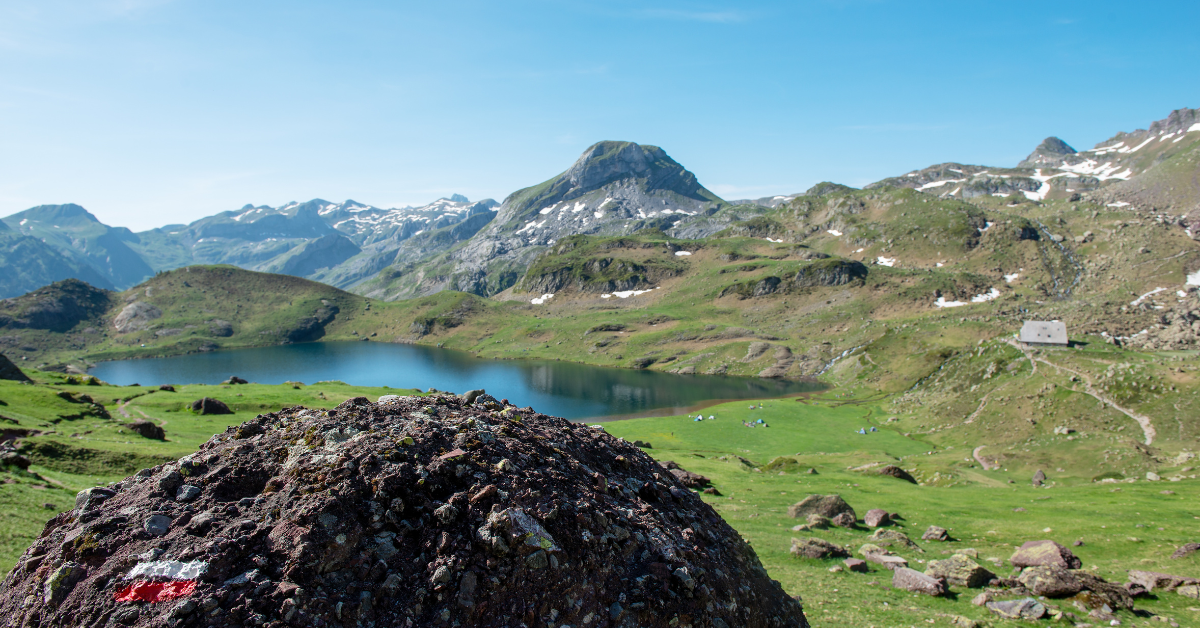
The GR10 , a long-distance hiking trail that crosses the Pyrenees, is one of the most exhilarating challenges for trekking enthusiasts. Stretching for approximately 920 km, it connects the Atlantic Ocean to the Mediterranean Sea, from Hendaye in the Basque Country to Banyuls-sur-Mer in the Pyrénées-Orientales. It is a challenge that is both physical and mental, demanding solid preparation and unwavering endurance. Every step on this legendary trail immerses hikers in landscapes as varied as they are spectacular, with an impressive elevation gain and loss of 55,000 meters.
A Long-Distance Hiking Trail Through the Pyrenees
Distance and Duration of the GR10
The GR10 is divided into stages and can be completed in approximately 47 days, depending on the hiker's pace. Experienced long-distance trekkers can shorten this time, while others, taking the time to appreciate the beauty of the landscapes, can extend the adventure over several months. This long-distance hiking trail alternates between lush forests, verdant pastures, and mountain ridges, offering a diverse range of terrain to explore.
Each day is a new discovery. The path is marked by the red and white markings of the long-distance hiking trails , and hikers cross some of the most beautiful natural regions of the Pyrenees, such as the Aspe and Ossau valleys, Lake Gaube or the majestic Cirque de Gavarnie .
The Different Stages of the GR10
One of the distinctive features of the GR10 is the diversity of its stages. Each section of the trail offers a unique experience, from stark, mineral landscapes in the highlands to lush panoramas in the valleys. Hiking this long-distance trail takes you from an oceanic climate to a Mediterranean one, with altitudes ranging from sea level to over 2,500 meters.
Hikers experience steep sections like the Pic du Midi d'Ossau or the Vignemale , one of the most iconic peaks in the Pyrenees. They also traverse lesser-known but equally impressive sites, such as the Ayes lakes or Lake Ilhéou . Each valley offers a different perspective, and the transitions between mountainous areas and dense forests create a natural rhythm that perfectly complements this long adventure.
A Journey Through Iconic Natural Sites
The Unforgettable Landscapes of the GR10
The GR10 reveals the splendor of the Pyrenees in all its diversity. This hiking trail leads to natural gems such as Lake Oô with its majestic waterfall, or the Néouvielle Nature Reserve and its sparkling high-altitude lakes. The Pyrenean landscape is a harmonious blend of water, rock, and vegetation, offering hikers a complete immersion in the wilderness.
As the days pass, hikers cross high mountain passes offering breathtaking panoramic views of deep valleys and soaring peaks. Each step brings them a little closer to the heart of these mountains, where pine forests, alpine meadows, and steep gorges intertwine. The GR10 trail offers unique moments of contemplation, where nature seems to stretch to infinity, punctuated here and there by traditional hamlets and preserved Pyrenean villages.
A Mountain Epic
This epic trek offers much more than just a hike. The GR10 is a true human experience where each day is a challenge for both body and mind. Encounters with other hikers, the discovery of local traditions, and the need to adapt to the weather conditions are all integral parts of the adventure.
Hiking enthusiasts particularly appreciate the Cirque de Gavarnie , a UNESCO World Heritage Site, as well as the Vignemale , which dominates the surrounding area with its eternal snows. But beyond the famous sites, the GR10 also reveals hidden treasures, far from the crowds, where only those who dare to venture off the beaten track can discover them.
Preparing for your GR10 Crossing
Essential Equipment and Materials
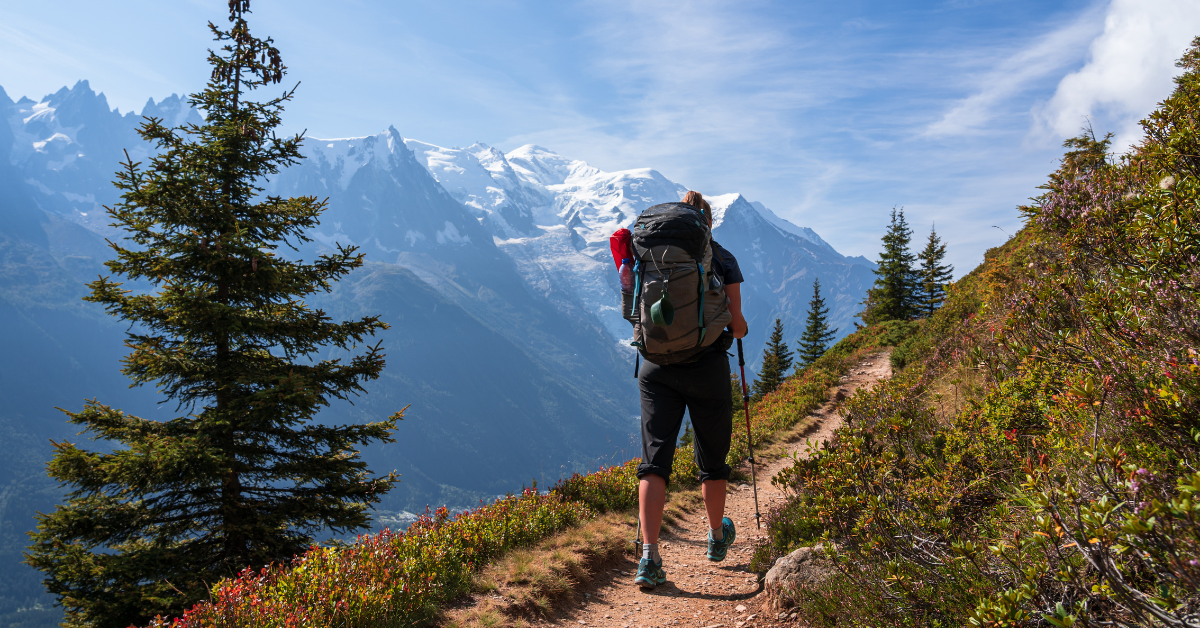
Tackling the GR10 requires rigorous preparation, starting with the choice of equipment. Long-distance hiking demands sturdy and comfortable hiking boots capable of withstanding varied terrain, from steep rocks to gentle meadows. The backpack must be light enough not to weigh you down while still allowing you to carry the essentials: tent, sleeping bag, food, and clothing appropriate for different altitudes.
The GR10 is not to be undertaken lightly, and careful planning of each stage is recommended. The Pyrenees can be unpredictable, with rapidly changing weather conditions, especially at higher altitudes. Temperatures can vary drastically from one valley to another, making it essential to carry versatile equipment.
Where to sleep on the GR10?
The GR10 offers a variety of accommodation options. Hikers can choose between mountain huts, guesthouses , or bivouacking in the wilderness. For those seeking an even more immersive experience, bivouacking allows you to spend the night in the heart of the mountains, far from civilization, under a breathtaking starry sky. However, for those looking for a bit more comfort, the guesthouses and huts along the route offer a well-deserved break with the option of eating and resting in shared dormitories.
The GR10: A Physical and Mental Experience
The Physical Dimension of the Crossing
With its 55,000 meters of elevation gain, the GR10 is a true endurance challenge. Each day presents a new test, with steep ascents and equally demanding descents. The effort is constant, and the body must adapt quickly to changing terrain. Hikers must be in excellent physical condition to undertake this long trek, but also prepared to face unpredictable weather conditions, especially in the higher sections of the Pyrenees.
Mental Strength: The Other Challenge of the GR10
Beyond the physical challenge, the GR10 is a mental test. The solitude of the long hikes, the imposing silence of the mountains, and the daily effort demand great inner strength. It's an introspective journey where each hiker must draw on their inner resources to keep going day after day, despite fatigue or muscle pain.
The beauty of the Pyrenean trail lies in its ability to reveal the unsuspected strengths of each individual. The mind, as well as the body, must be prepared to face the challenges posed by this legendary crossing .
The Different Regions Crossed by the GR10
The Basque Country: The Adventure Begins
The GR10 begins in Hendaye , on the Atlantic coast, in the heart of the Basque Country . This region, famous for its traditions and unique culture, offers an initial immersion in rolling, verdant landscapes. Hikers will discover a gentler setting here, with trails winding between mountains and the ocean.
As you progress eastward, the trail becomes more demanding, with steeper climbs. But even then, the long-distance hiking trail reveals its richness in terms of natural and cultural diversity, offering breathtaking views of the sea while preparing hikers for the challenges ahead.
The Hautes-Pyrénées: The Heart of the Route
It is in the Hautes-Pyrénées that the GR10 reveals its full majesty. Here, hikers tackle the most technical and steepest sections of the route, with peaks reaching 2,500 meters in altitude. The panoramas of snow-capped mountains, deep valleys, and glacial lakes are simply breathtaking.
Famous mountain passes, such as the Portillon pass, and natural sites such as the Néouvielle reserve are essential stops for hikers eager for wild nature.
The GR10 in the Pyrénées-Orientales: Arrival at the Mediterranean
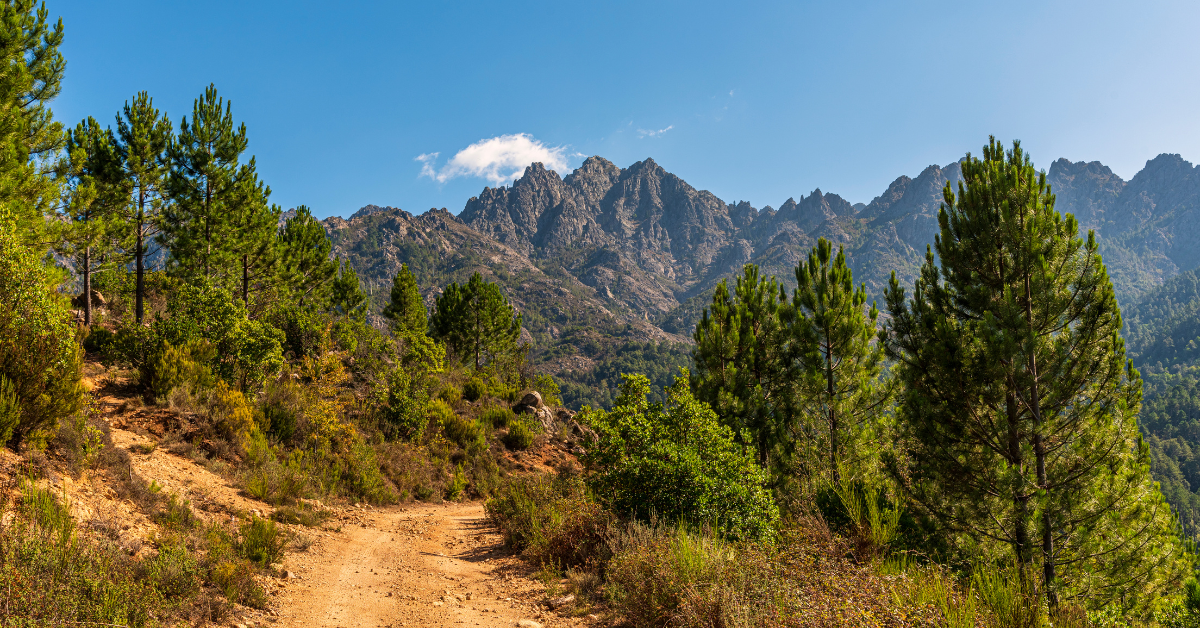
After weeks of hiking through the Pyrenees, the GR10 trail culminates in a spectacular finale, reaching the Mediterranean Sea in the Pyrénées-Orientales . The arrival in Banyuls-sur-Mer is a well-deserved reward for the hikers who have successfully completed this challenging trek. This final section of the long-distance trail offers dramatically different landscapes, with a drier climate and milder temperatures.
The mountains gradually give way to hills covered in vineyards and panoramic views of the shimmering sea. The contrast between the imposing mountains of the Hautes-Pyrénées and the Mediterranean coastline is striking, making this final stage particularly memorable for those who have completed the entire crossing.
The Benefits of an Outdoor Experience
A Complete Immersion in Wild Nature
The GR10 is much more than just a hike. It's a true immersion in the wild nature of the Pyrenees, far from the noise and constraints of everyday life. Throughout the trail, hikers live in harmony with nature, following the rhythms of the sun and the seasons. Mountain bivouacs, waking to the sound of birds, and starry nights allow you to reconnect with what truly matters and appreciate the raw beauty of the landscapes.
The experience of hiking on a major trail like the GR10 is a return to basics. Needs are reduced to the essentials: finding water, shelter, and making a little progress each day. This simplicity is both calming and invigorating, offering a welcome respite from a society that is often too fast-paced.
The Physical and Psychological Benefits
Hiking for several weeks on a trail as demanding as the GR10 has beneficial effects on both body and mind. Physically, daily walking strengthens muscles, improves cardiovascular fitness, and develops exceptional endurance. Mentally, time spent in nature has a profoundly calming and meditative effect. Far from the stress of city life, hikers can focus on the present moment, appreciate each instant, and let their thoughts wander.
The Pyrenean trail also offers great personal satisfaction. Each completed stage, each summit climbed, is a victory that strengthens self-confidence and resilience. Undertaking an adventure as long and demanding as the GR10 is a source of pride that lasts long after the hike is over.
Practical Tips for Successfully Completing the GR10
Plan your steps
The success of a long-distance hike like the GR10 depends largely on careful planning. It is essential to prepare each stage, taking into account the length of the route, the elevation changes, and the availability of water sources. Some sections of the trail can be particularly challenging, especially in the Hautes-Pyrénées , where the altitude and rugged terrain demand heightened vigilance.
Hikers should also think about food. While some mountain huts and lodges offer meals, it's recommended to carry enough supplies for several days, especially in more remote sections where resupplies may be scarce. Light, energy-rich foods, such as dried fruit, energy bars, and dehydrated soups, are particularly suitable for long days of hiking.
Managing Weather Conditions
The Pyrenees are known for their changeable climate. At high altitudes, conditions can shift rapidly from bright sunshine to violent storms. It is therefore crucial to check the weather forecast regularly and adapt your route accordingly. Sometimes, it is wiser to postpone a climb or take shelter in a mountain hut in case of bad weather.
Proper equipment is also essential to cope with temperature variations. Even in summer, temperatures can drop below freezing at night at altitude. A suitable sleeping bag, warm and waterproof clothing, and quality bivouac gear are crucial for a safe crossing.
The Importance of Hydration
On the GR10 , water management is crucial, especially during long, high-altitude stages where sources of drinking water can be scarce. Hikers must ensure they refill their water bottles as soon as a source is available and use water purification tablets or filters to avoid any health risks. It is recommended to carry at least 2 liters of water per person for the driest sections of the long-distance hiking trail , particularly in the Pyrénées-Orientales where temperatures can be high in summer.

Leave a comment
All comments are moderated before being published.
This site is protected by hCaptcha and the hCaptcha Privacy Policy and Terms of Service apply.