
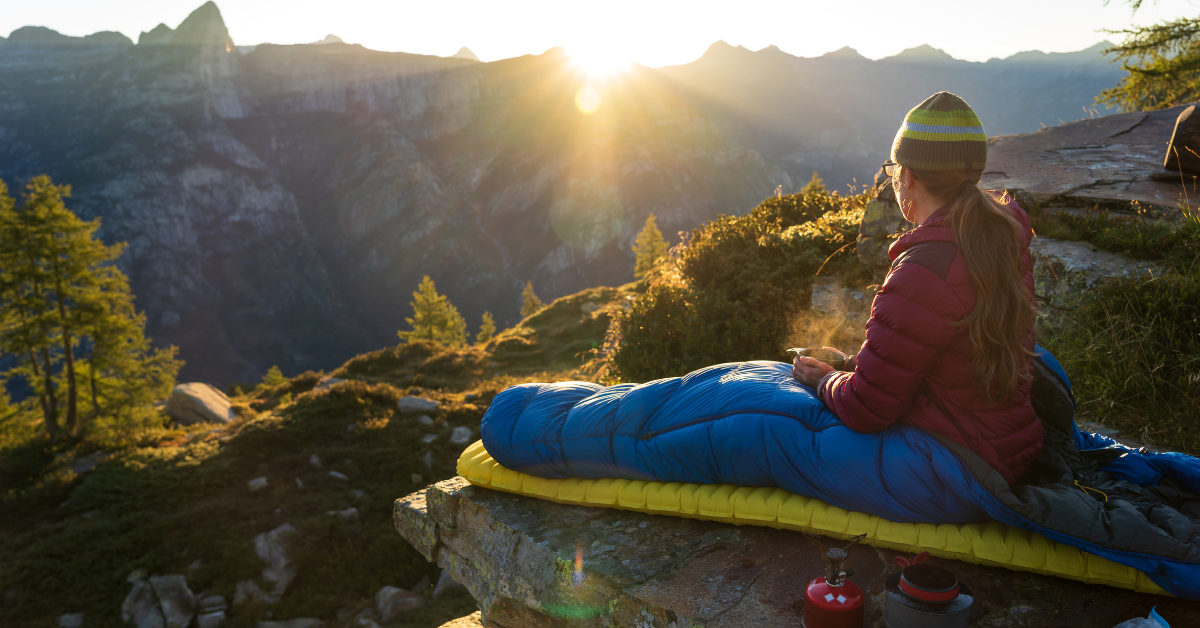
Hiking is an activity accessible to everyone, offering a wonderful opportunity to reconnect with nature, discover breathtaking landscapes, and experience moments of adventure. However, for beginners, it can seem intimidating, especially when it comes to venturing into the mountains or spending nights camping. This article is here to help you get off to a good start by presenting ten essential tips from the experience of seasoned hikers. With these recommendations, you can enjoy your mountain outings with peace of mind and in complete safety.
1. Protect your backpack from the rain
On any mountain hike, weather management is crucial. Even in the middle of summer, sudden downpours or dense fog can quickly turn a beautiful day into a wet ordeal. Beginner hikers often underestimate the importance of properly protecting their gear from the rain. Even the most modern backpacks, with sealed seams and durable materials, are never completely waterproof. Water can seep in, ruining dry clothes, a sleeping bag, or other essential equipment.
Use of waterproof liners and pouches
To avoid this, it's highly recommended to use a liner, a type of waterproof bag that you place inside your backpack. This liner creates a protective barrier against moisture, ensuring your essentials stay dry, even if your backpack is exposed to rain for several hours. It's also a good idea to compartmentalize your belongings using smaller waterproof bags. For example, storing your spare clothes in a separate pouch will protect them, even if other parts of your pack get wet. In addition to the liner, a rain cover for your bag can provide a first layer of protection against light showers or dew.
However, keep in mind that in heavy rain, this cover can sometimes let water in. That's why adding waterproof bags for extra protection is essential. By investing in this type of protection, you ensure you stay dry, which is crucial for maintaining your comfort and preventing the risk of hypothermia.
2. Apply the three-layer rule when dressing
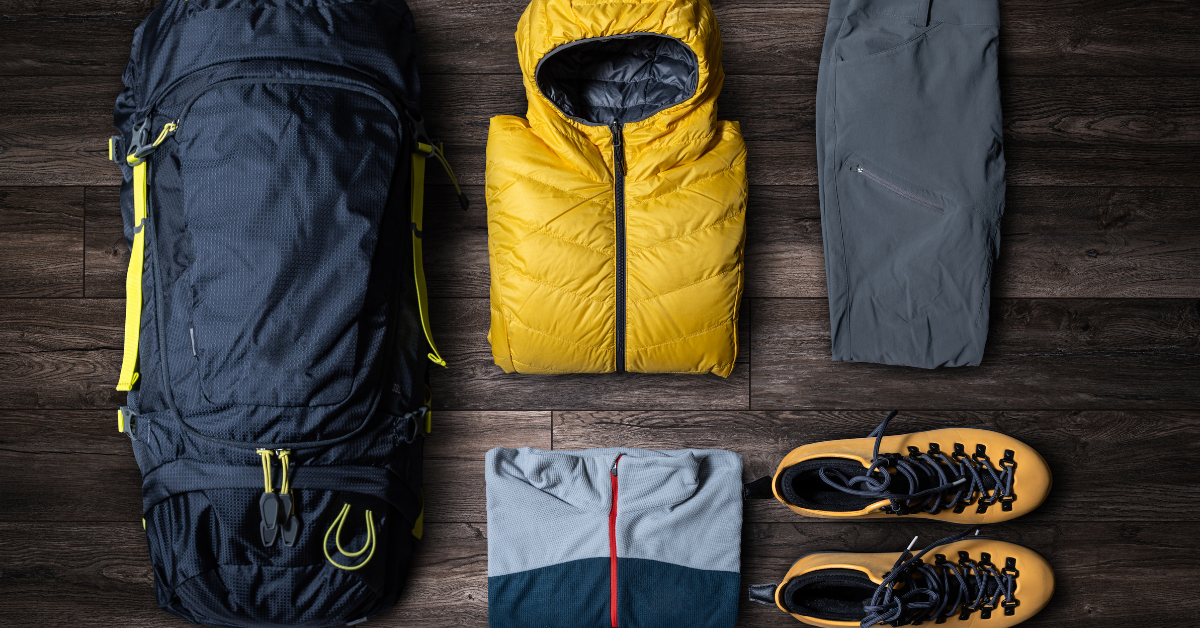
Dressing appropriately in the mountains is a skill every hiker should master. Unlike hikes in the lowlands, where the weather is often more stable, mountains can offer significant temperature variations, sometimes within just a few hours. The three-layer system is a proven method for staying warm, dry, and able to adapt quickly to these changing conditions.
Base layer, insulating layer, and outer layer
The first layer, called the base layer, is crucial for regulating perspiration. This garment, usually made of synthetic materials or merino wool, wicks moisture away from the skin, keeping you dry even during intense activity. Wearing cotton, for example, is a common mistake among beginners, as this material absorbs moisture and takes a long time to dry, which can quickly make you feel cold.
The second layer, or insulating layer, serves to retain body heat. It is often made of fleece or a lightweight down jacket. This layer should be easy to put on and take off, as excessive heat during exertion can quickly become uncomfortable. Finally, the third layer, also called a hardshell, is a barrier against the elements. It protects you from wind, rain, and sometimes even snow. The choice of a hardshell should be made according to the required level of waterproofing. Some models offer basic protection (5000 mm waterproof rating), while others, more technical, can withstand extreme conditions (up to 30,000 mm).
An often overlooked point is that a down jacket, despite its insulating properties, should never be used as rain protection. If it gets wet, its effectiveness is greatly reduced, and it will take a long time to dry. That's why it's essential to always have a waterproof layer on hand.
3. Water management: knowing how to adapt to conditions
One of the biggest challenges when hiking is water management. Carrying large quantities of water can quickly become a burden, especially if you're hiking for several days. However, it's just as risky to set off with too little water, especially if natural sources are scarce or inaccessible. Therefore, it's crucial to plan your route carefully by identifying available water sources.
Water filtration and purification
Before setting off, consult IGN maps, online forums, or tourist offices to locate natural water sources such as rivers, lakes, or springs. Once in the field, remember that mountain water, although often pure, can be contaminated by bacteria, parasites, or chemicals. Carrying a lightweight water filter or purification tablets is therefore a necessary precaution. You can also opt for a water bottle equipped with a built-in filter, allowing you to drink directly from the source without risk.
Generally, it's recommended to carry a one-liter water bottle and an additional two-liter hydration pack. This allows you to stay hydrated without adding unnecessary weight and to refill your water bottle when you reach a water point. This water management will not only ensure a lighter hike but also a safer one, especially during long climbs.
4. Respect mountain regulations
The mountains are a fragile natural environment, and many areas are subject to strict regulations to protect wildlife and flora and ensure hiker safety. It is essential to thoroughly research local regulations before setting out, especially in national parks and nature reserves. These protected areas often impose strict restrictions, whether regarding camping, drone use, dogs, or plant harvesting.
Fines and penalties
Ignoring these rules can not only result in fines but also harm the environment. For example, in some areas, campfires are strictly prohibited due to the high risk of wildfires, and patrols may check that hikers are complying with these restrictions. The same applies to the use of motorized vehicles, which is sometimes limited to specific areas. Adhering to current legislation is not only a matter of individual responsibility, but also a way to preserve the mountains for future generations.
5. Choosing the right gas cartridges
Choosing the right gas canisters is a technical detail, but crucial for hikers planning to cook while camping. Not all canisters are compatible with all stoves, and it's important to check compatibility before setting off. Campingaz canisters, for example, use a specific nozzle, while other brands like Primus, MSR, or Jetboil use a different standard.
Check compatibility before purchasing
To avoid any unpleasant surprises, make sure the gas cartridges you buy are compatible with your stove. A simple oversight can render your stove unusable and jeopardize your meals in the wilderness. Furthermore, it's always wise to carry an extra gas cartridge, especially if you're going away for several days. Prevention is better than cure when you're far from civilization!
6. Take into account the unpredictable mountain climate
The mountains have the unique characteristic of offering rapidly changing weather, sometimes in just a few minutes. A clear sky can quickly become overcast, and a light breeze can transform into powerful gusts. This is why it is essential to be well-prepared for unpredictable weather conditions. Even if the forecast is favorable, temperatures often drop as you gain altitude. Sudden precipitation in the form of rain, hail, or even snow is also common, even in the middle of summer. Never underestimate the mountains; this is a golden rule for any hiker.
Adapt your equipment according to the climate
To cope with these sudden changes, your gear needs to be adapted. In addition to the well-known three-layer clothing rule mentioned earlier, it's recommended to always carry a hat and lightweight gloves in your pack, even in summer. Chills can be sudden at the summit or in shaded areas, where the temperature can drop considerably. Furthermore, a poncho or a good quality waterproof jacket, as well as gaiters to protect your shoes, are essential items to have on hand.
Remember that the weather can also affect the length of your hike. Heavy rain can make the terrain slippery and slow your progress. It's therefore important to plan your route taking into account possible delays due to weather conditions. Safety should always come first, and it's sometimes better to postpone or shorten a hike than to take unnecessary risks.
7. Use freeze-dried meals correctly
Freeze-dried meals are an excellent solution for hikers looking to carry light and easy-to-prepare food. They allow you to travel with nutritious meals without unnecessarily weighing down your pack. However, to get the most out of these meals, it's important to know how to use them properly. Their preparation requires water, a stove, and a little patience.
Preparation techniques for freeze-dried meals
Most freeze-dried meals require adding hot water and letting them sit for several minutes to rehydrate the ingredients. A helpful tip: carefully follow the instructions on the packaging, especially regarding the amount of water to add. A common mistake is adding too much or too little water, which can alter the texture and taste of the meal.
A helpful tip for thorough mixing is to use a long spoon, as freeze-dried meal pouches are often deep and it can be difficult to reach the bottom. After adding the water, seal the pouch tightly to retain heat during rehydration. Finally, remember to stir halfway through to ensure the water is evenly distributed and that the food at the bottom of the pouch is as thoroughly rehydrated as the food at the top.
While freeze-dried meals are convenient, it's also important to mix things up. Packing energy bars, dried fruit, and chocolate will allow you to vary your snacks and maintain a good energy intake throughout the day.
8. Pitch your tent first
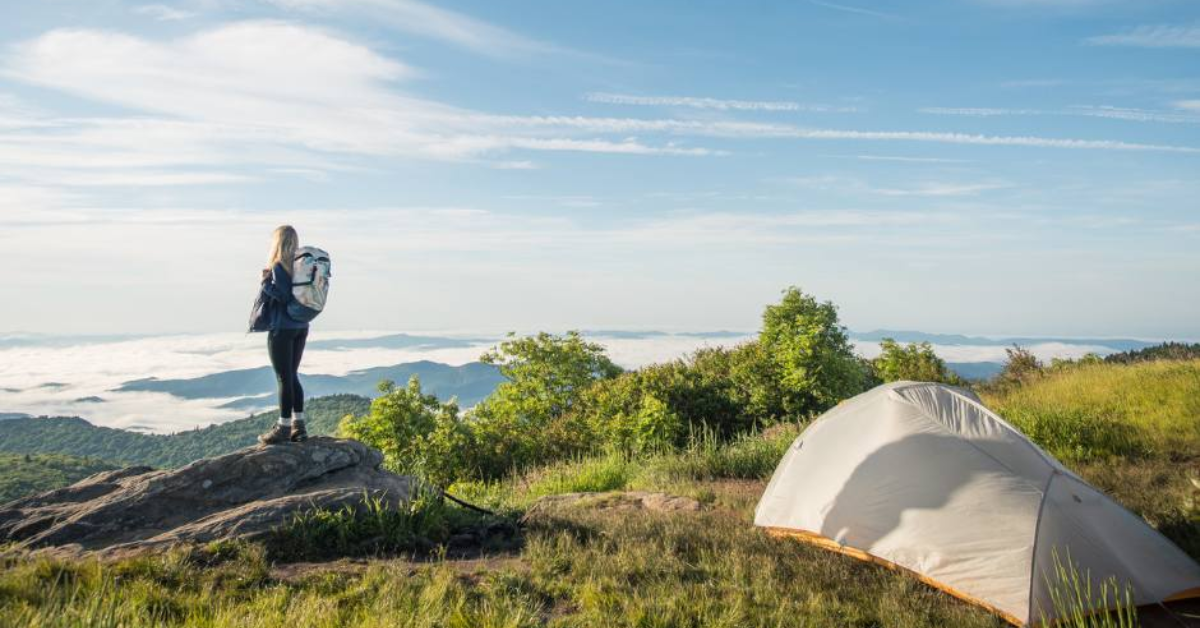
When you arrive at your campsite after a long day of hiking, it can be tempting to sit back and enjoy the scenery or simply relax. However, one of the most important rules to follow in the mountains is to pitch your tent as soon as you arrive at your campsite. Weather conditions can change rapidly, and you don't want to be caught off guard if a thunderstorm or strong winds strike.
Anticipate weather changes and secure your campsite
By setting up your tent immediately, you ensure you have secure shelter before nightfall or inclement weather arrives. Choose your tent site carefully: it's important to find a flat surface, preferably slightly elevated to prevent water from pooling in case of rain. Avoid areas too exposed to the wind or near waterways that could overflow.
Another important aspect is properly securing your tent. In the mountains, even a light breeze can quickly turn into gusts of wind. Use stakes and keep the guy lines taut to ensure your tent is more resistant to the elements. If you have a tarp or groundsheet, you can also use it to reinforce your shelter and create extra space to store your gear in a dry place.
9. Protect your food from animals
In the mountains, wildlife is everywhere, and even if it seems harmless, some animals are particularly attracted to hikers' food. Small rodents, foxes, and sometimes even bears may approach your campsite in search of food. It is therefore essential to properly protect your food to prevent it from being stolen or damaged.
Techniques for securing food while camping
The first rule is never to leave food outside your tent, especially overnight. Store your provisions in waterproof bags and keep them inside your tent for safety. In areas where bears are known to be present, it is recommended to hang food from a tree branch, several meters off the ground and a safe distance from your tent. This technique, called "bear bagging," is essential to prevent animal intrusions and ensure your safety.
In addition to food, remember to properly store all scented items such as toothpaste or toiletries, as these can attract curious animals. An animal approaching your tent at night can not only damage your equipment but also pose a danger. It is therefore important to remain vigilant and not underestimate the impact of local wildlife on your nights in the mountains.
10. Respect the environment
Hiking and camping offer total immersion in nature, but they also impose a great responsibility: that of protecting the environment. As a hiker, you must minimize your impact on the fragile ecosystems you traverse. The "Leave No Trace" principle is fundamental for all outdoor enthusiasts.
Hiking ethics and waste management
This means you must take all your rubbish with you, including food scraps and packaging. If you must relieve yourself in the wilderness, stay away from trails and water sources, and bury your waste in a hole at least 15 cm deep. Use biodegradable toilet paper or take your used toilet paper with you to dispose of when you return. Many experienced hikers also burn their toilet paper to minimize waste.
Respecting the environment also means paying attention to vegetation and animals. Avoid picking flowers or disturbing any animals you may encounter. Staying on marked trails helps preserve the fragile flora that often grows in challenging environments. The more you respect nature, the more you contribute to its preservation for future generations.
By following these ten tips, you'll be well-prepared to fully enjoy your mountain adventures. The key to a successful hike lies in preparation, the right equipment, and respecting safety rules and the environment. Whether you're heading out for a short day hike or a multi-day adventure with an overnight bivouac, these recommendations will help you have an unforgettable experience while minimizing risks. Always be vigilant, and remember that the mountains are a magnificent yet demanding environment that deserves your respect.

Leave a comment
All comments are moderated before being published.
This site is protected by hCaptcha and the hCaptcha Privacy Policy and Terms of Service apply.