
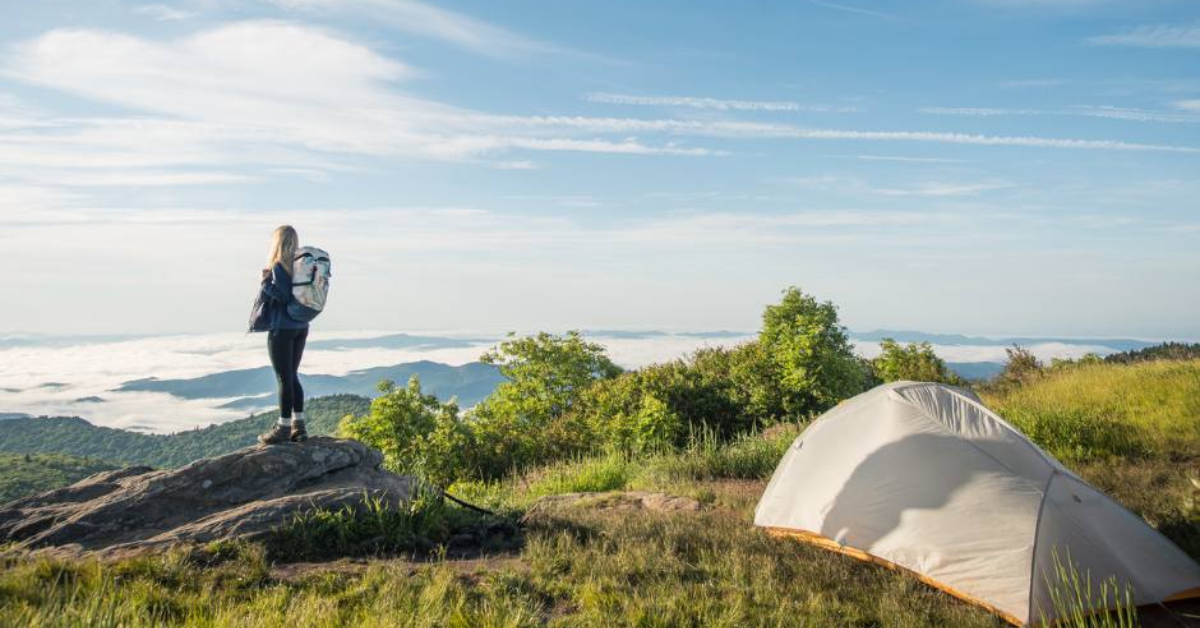
Ready to escape to the heart of the French countryside? Bivouacking is the perfect opportunity for an unforgettable experience. Whether you're a beginner or a seasoned adventurer, this article will guide you through the best bivouac destinations in France, along with practical tips to ensure your night under the stars is unforgettable. We'll also cover the essential regulations you need to know to bivouac with complete peace of mind.
What is bivouacking? An adventure in its own right.
Before diving into the heart of the matter, let's clarify what bivouacking actually is. The term originates from the German word "biwacht," used in the Middle Ages to refer to soldiers' temporary encampments. Today, bivouacking has become a popular activity among nature lovers, allowing them to spend a night or two under a starry sky, far from the hustle and bustle of urban life.
Bivouacking means sleeping in a lightweight shelter, such as a tent or tarp, in a natural setting. Unlike traditional camping, where a camp is set up for several days, bivouacking is characterized by its temporary nature: it is a stopover on a journey, often during a hike. This approach emphasizes exploration and adventure, while ensuring respect for the environment.
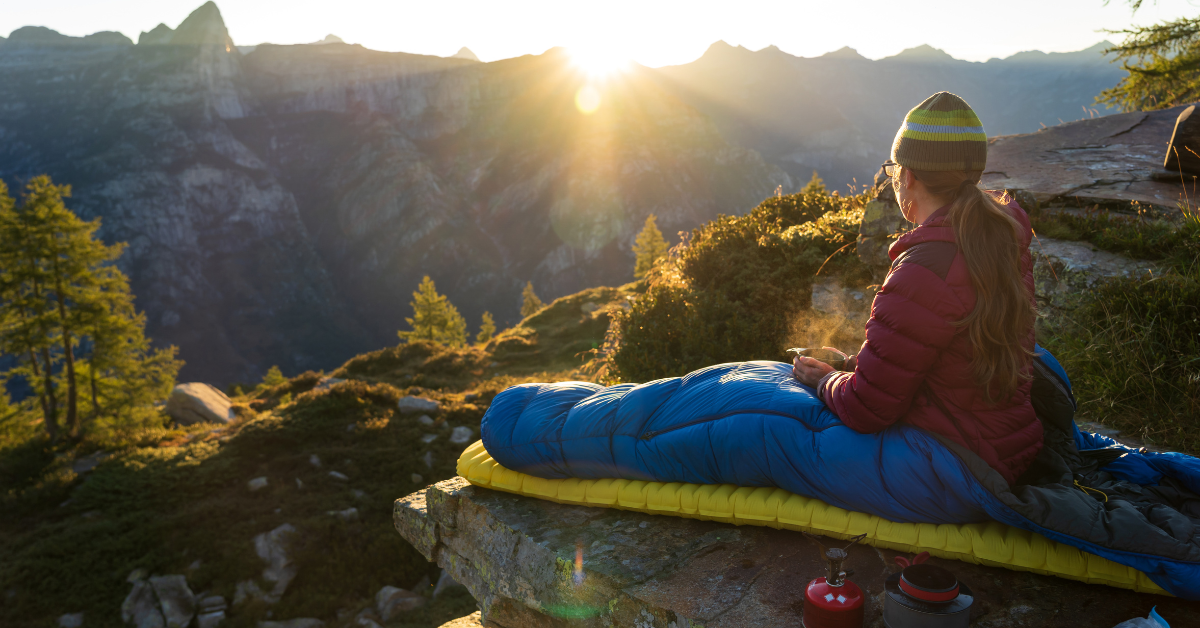
Bivouacking is also distinguished by its simplicity. Indeed, the necessary equipment is often reduced to a minimum. A lightweight tent, a sleeping bag appropriate for the season, and a portable stove are generally sufficient for a comfortable night in the wilderness. This minimalism allows you to focus on the experience itself, on the beauty of the surrounding landscape, and on the soothing calm of starry nights.
Differentiating between bivouacking and wild camping: Why is this important?
The distinction between bivouacking and wild camping is crucial for respecting nature and local regulations. Wild camping generally involves staying in the same place for several days, which can damage the local ecosystem. Bivouacking, on the other hand, is a more respectful approach, where you only stay one night and take care to leave the place as you found it.
Camping is also a practice that promotes respect for nature. By moving regularly and leaving no trace of your passage, you minimize your impact on the environment. This allows ecosystems to regenerate more easily and preserves local biodiversity. By being a responsible camper, you contribute to nature conservation and the sustainability of these precious spaces for future generations.
In France, wild camping is often regulated, especially in protected areas where it is generally prohibited. By bivouacking, you comply with the rules while enjoying the pleasures of the outdoors, thus contributing to the preservation of our beautiful natural environment.
The rules of bivouacking in France: What you need to know
Before hitting the road for your next adventure, it's essential to know the rules governing bivouacking in France. While bivouacking is often permitted in many areas, some regions impose restrictions. Therefore, it's crucial to check the specific regulations before pitching your tent.
Areas where bivouacking is prohibited:
- Protected natural areas : This includes national parks, nature reserves, and any area where biodiversity is preserved. In these places, camping can cause disturbance to wildlife and vegetation.
- Beaches and seaside : Often, regulations prohibit camping on beaches, due to tourist traffic and the need to preserve these fragile areas.
- Proximity to drinking water sources : A distance of 200 meters is often required to protect water resources and avoid any potential pollution.
- Historical monuments : Sleeping within 500 meters of these sites is generally prohibited to preserve their integrity.
In some areas, signs clearly indicate where camping is permitted or prohibited. Sometimes, specific times are also indicated, such as a ban on setting up camp before 5 p.m. or staying after 9 a.m. the following morning. These times are intended to prevent disturbances and preserve the tranquility of the area.

Where to camp in France? The best destinations to explore
France is full of magnificent places to camp. Here are a few suggestions for unforgettable nights:
- The Alps : Perfect for hikers seeking breathtaking scenery. The areas around Chamonix and Mont Blanc offer spectacular views, but remember to respect the opening hours and regulations. In addition to the panoramas, the Alps boast crystal-clear lakes, ideal for a refreshing swim after a long day of hiking.
- The Pyrenees : Explore the mountain valleys and lakes. The Pyrenees National Park is an excellent choice, with bivouac spots that allow you to enjoy the natural beauty while having access to the facilities of mountain huts. Hiking trails wind through varied landscapes, from verdant meadows to rocky peaks.
- The Fontainebleau Forest : Popular with climbers and hikers, this forest is ideal for a bivouac getaway. Although regulations exist, some areas allow overnight stays in the wilderness. Fontainebleau is also a playground for rock climbing enthusiasts, with its famous sandstone boulders.
- The Cévennes : A natural park offering a diversity of landscapes, from deep valleys to high plateaus. Hiking trails lead to secluded spots, perfect for a peaceful bivouac. The Cévennes are also known for their wildlife, including deer and wild boar, providing excellent opportunities for observation.
- Brittany : The Breton coast, with its seascapes and islets, offers unique spots. Be sure to respect local regulations regarding camping on beaches. The cliffs of the Emerald Coast and the landscapes of the Crozon Peninsula are among the most beautiful camping locations in Brittany.
Before setting up camp, remember to ask permission if you plan to camp on private land and make sure you leave the place clean and without any trace of your presence. Environmental responsibility is essential to preserving these areas.
Camping without authorization: What are the risks involved?
It's essential to understand that camping in a prohibited area can have consequences. In theory, camping is allowed wherever it's not explicitly forbidden. However, if you choose to ignore the rules, you risk receiving a fine and being asked to leave the area.
The consequences can vary depending on where you are. In protected areas, fines can be significant, as they aim to deter environmentally harmful behavior. Most of the time, park rangers will first try to inform campers about the applicable regulations. If you show respect and understanding, you could avoid problems.
Furthermore, camping without permission can also damage the reputation of outdoor enthusiasts. The irresponsible actions of a few can lead to restrictions for everyone. By respecting regulations and being a responsible camper, you help ensure that this activity remains possible for future generations.
Finally, remember that nature is unpredictable. By venturing into unauthorized areas, you also expose yourself to potential dangers, such as adverse weather conditions or wild animals. Ensuring your safety and the safety of the environment is essential for a successful camping experience.
Discovering the best bivouac spots in France: from the mountains to the wild coasts
Now that we've covered the regulations, it's time to talk about what we're all passionate about: spectacular places to pitch your tent for a night under the stars. Whether you're a fan of majestic mountains or sea-fringed cliffs, France is full of magnificent spots for camping. Prepare to be amazed!

Camping in the Verdon Gorge: Adventure in the heart of Europe's largest canyon
The Verdon Gorge, located in southeastern France, offers an exceptional playground for camping enthusiasts. With its vertiginous cliffs and turquoise river, the scenery is breathtaking. Whether you choose to canoe down the river or follow one of the many hiking trails that wind around the gorge, a night camping here promises a unique experience.
The Verdon Regional Natural Park allows bivouacking in certain designated areas, provided you respect local regulations. Remember to set up camp far enough from the cliffs for safety reasons, and above all, take everything with you when you leave. The sunrise views from the heights of the gorge, with the golden reflections on the water, are well worth the effort.
Suggested route : The Blanc-Martel trail, which runs along the banks of the Verdon River, is an iconic hike. Camping near the "Samson Corridor" viewpoint will allow you to observe the first rays of sunlight illuminating the river below, offering an unforgettable view.
Camping in the Monts d'Arrée: Immersion in the Breton moors
For those seeking a wilder experience, head to Brittany and the Monts d'Arrée. Located in the heart of the Armorique Regional Natural Park, these low but steep mountains offer raw and timeless landscapes, with moors stretching as far as the eye can see. The area is less frequented than other French mountain regions, but no less spectacular.
Camping here means immersing yourself in a setting where nature reigns supreme. The moors dotted with heather and ferns create an almost mystical atmosphere, especially when the morning mist blankets the peaks. As night falls, you can admire a starry sky of rare clarity, far from any light pollution.
Recommended route : The trail leading to the summit of Roc'h Trévézel, the highest point in the Monts d'Arrée, is ideal for a bivouac experience. The panoramic view over the surrounding moors and marshes is breathtaking. From there, you can continue your trek towards Lake Brennilis, where several bivouac spots await.
The Calanques of Cassis: A night under the stars overlooking the Mediterranean
Camping in the heart of the Calanques, between Marseille and Cassis, offers the chance to spend a night with one of the most spectacular views in the Mediterranean. The white limestone cliffs, plunging into a brilliant blue sea, create a breathtakingly beautiful setting. However, camping there is strictly regulated due to fire risks and environmental impact, so it's important to be well-informed before you go.
The Calanques National Park only allows bivouacking in certain areas, generally far from the most popular coves. The physical effort required to reach these more remote spots is amply rewarded by the tranquility and breathtaking scenery.
Recommended spot : Sugiton Cove is less frequented than its neighbors En-Vau or Port-Pin. With its crystal-clear water and steep rock faces, it offers an idyllic setting for a bivouac. Remember to check opening times, as some areas are closed in summer due to fire risks.
Lake Nino in Corsica: Bivouac in the heart of the Corsican mountains
For a bivouac experience in a unique setting, Lake Nino in Corsica is an ideal destination. Nestled at an altitude of over 1,700 meters, this high-altitude lake is surrounded by pozzines, small, verdant peat bogs where wild horses graze. This place seems straight out of a fairy tale.
Accessible via a relatively challenging hike, Lake Nino is a place where bivouacking is permitted, but as always, respect for the environment is essential. In the evening, as the sun sets behind the mountains, the atmosphere becomes peaceful and the silence of nature reigns supreme. The nights are cool even in summer, so good equipment is necessary.
Recommended hike : The GR20 passes near Lake Nino, offering an excellent opportunity to discover this legendary trail. You can choose to stop for a day and camp near the lake before continuing on towards the Corsican peaks.
Camping at the Cirque de Gavarnie: A natural wonder of the Pyrenees
The Cirque de Gavarnie, a UNESCO World Heritage Site, is one of the jewels of the Pyrenees. With its impressive walls rising to over 3000 meters and its famous 423-meter waterfall, it offers an exceptional setting for an overnight bivouac.
Local authorities tolerate bivouacking under certain conditions, including not setting up camp too close to the waterfall to avoid negatively impacting tourism. This majestic yet peaceful spot is perfect for mountain lovers seeking to spend a night immersed in nature.
Suggested route : A hike to the Bellevue plateau will reward you with breathtaking views of the cirque and its waterfall. It's an ideal spot for camping, far from the crowds, with the added bonus of an incredible panorama at sunrise.
Rambouillet Forest: Camping in the heart of nature near Paris
If you're looking for a place to camp near the capital, the Rambouillet Forest is an ideal option. This vast forest, located about fifty kilometers from Paris, is a true haven of peace for nature lovers. With its centuries-old oak trees and numerous hiking trails, the forest offers many opportunities to escape the everyday for a night.
Camping is permitted in certain parts of the forest, particularly around the many ponds that dot the area. The tranquility here, in contrast to the proximity of the city, will allow you to enjoy a relaxing camping experience without having to travel far.
Recommended spot : The area around the Étang de Hollande, at the edge of the forest, is perfect for a night in the heart of nature. You can enjoy a campfire (subject to local regulations) and fall asleep to the sounds of nocturnal animals.
Embark on a bivouac tour of the most beautiful regions of France
France is full of magnificent spots for bivouacking. Whether you're a lover of wide-open spaces or looking for mountain adventures, there are plenty of options. Here's a guide to the most beautiful regions of France where you can immerse yourself in nature, backpack on, and sleep under the stars.

The Alps: between peaks and glaciers
The Alps offer an incredible diversity of landscapes for bivouacking. From snow-capped peaks to high-altitude lakes, every hike is a unique adventure. There are many spots, but some stand out for their beauty and accessibility.
The Tour du Mont Blanc: a legendary crossing
The Tour du Mont Blanc (TMB) is one of the most iconic hikes in the Alps. At 170 kilometers across France, Switzerland, and Italy, it's a must for bivouacking enthusiasts. The complete trek typically takes between 7 and 10 days, but you can also choose to do only a section of it.
In France, bivouacking is permitted provided you respect local regulations (not before 7 p.m., not after 9 a.m., and away from roads). If you're traveling through Italy, be aware that bivouacking is only allowed above 2,500 meters in altitude. In Switzerland, the rules are stricter, with a total ban on bivouacking in the Mont Blanc massif.
The different routes of this trek allow you to choose between more technical sections, such as passes over 2,500 meters, or gentler stretches. All this with breathtaking views of glaciers, deep valleys, and majestic peaks like the Aiguille Verte or the Dômes de Miage.
The Écrins massif: wild and unspoiled
The Écrins National Park is another prime destination for bivouacking in the Alps. Here, nature reigns supreme, and while the bivouac rules are strict, they are well-suited to mountain enthusiasts. Bivouacking is permitted between 7 pm and 9 am, more than an hour from any road access. Certain spots, such as Lac de la Muzelle and Pré de la Chaumette, are particularly popular.
The Emparis plateau , accessible from Mizoën , is an incredible place to set up camp. The scenery is magnificent, with breathtaking views of the Meije and the Girose glacier . Be aware that some areas, such as the lakes on the plateau, are protected. Therefore, it is forbidden to pitch a tent there.
The Pyrenees: between sea and mountains
The Pyrenees are a mountain range that offers endless possibilities for bivouacking. Between steep peaks and verdant valleys, you will be immersed in wild and authentic nature.
The bivouac around Vignemale
One of the most beautiful bivouac spots in the Pyrenees is located at Oulettes de Gaube , at the foot of the majestic north face of Vignemale , the highest peak in the French Pyrenees. To get there, you take the GR10 long-distance hiking trail from Pont d'Espagne . The ascent takes about 3 hours and leads you through varied landscapes, with possible stops at Lac des Huats and Lac de Gaube .
Once you reach the Oulettes de Gaube, you can pitch your tent near the refuge . Bivouacking is permitted there between 7 pm and 9 am. The view of the Vignemale is incredible, especially at sunset. After a night under the stars, you can descend by the same route or continue your adventure towards other peaks.
The Néouvielle Nature Reserve
For an even more secluded setting, the Néouvielle Nature Reserve is a true gem. Its high-altitude lakes and rugged peaks make it a perfect playground for bivouacking. Here, you can pitch your tent between 7 pm and 9 am, but be sure to respect the protected areas. Lakes Orédon and Aubert are magical places to spend the night surrounded by nature.
Franche-Comté: a nature escape in the Jura
The Franche-Comté region, particularly the Jura mountains, is an ideal destination for bivouacking. Its dense forests, waterfalls, and tranquil lakes guarantee memorable nights surrounded by nature.
The Jura: green and wild landscapes
The Haut-Jura Regional Natural Park is an area where bivouacking is tolerated, provided certain rules are followed. However, it is prohibited in sensitive areas, such as protected high-altitude forests (APPB), between December 15th and June 30th. If you choose to bivouac in this region, you will need to carefully plan your route and check local regulations. The Bonlieu lakes and the 4 Lakes area are stunning locations, but be aware that bivouacking is prohibited there to protect these areas.
The Jura Escape: a trek for adventurers
For the more adventurous, the Échappée Jurassienne trek is a great option. This marked trail stretches for 352 kilometers, connecting Dole to Saint-Claude or Nyon in Switzerland. It's a multi-day hike that can be adapted to your preferences and fitness level. Along the way, you'll find spots to camp, but remember to alternate with nights spent in campsites to comply with regulations and protect the environment.
This trek allows you to discover varied landscapes, from mountains to forests, passing through rivers and plateaus. If you want a shorter route, you can focus on the area around Pic de l'Aigle and the Belvédère des 4 lacs , where the view is spectacular.
Auvergne: volcanoes and high plateaus
Auvergne is another must-see region for bivouac enthusiasts. With its dormant volcanoes and vast plateaus, this region offers unique panoramas and unparalleled spaces of freedom.
The Sancy massif: in the heart of the Auvergne volcanoes
The Sancy massif , located in the Auvergne Volcanoes Regional Natural Park, is one of the best places for mountain bivouacking. The Puy de Sancy , the highest peak in the Massif Central, is a favorite spot for hikers. It is possible to pitch a tent on the heights, provided you respect local regulations (bivouacking is permitted between 7 pm and 9 am).
From the summit, the view of the Monts Dore and the Monts du Cantal is breathtaking. The Sancy is also surrounded by volcanic lakes, such as Lake Pavin , where it's pleasant to spend the night.
The Chaîne des Puys: a bivouac on extinct volcanoes
The Chaîne des Puys , a UNESCO World Heritage Site, is another iconic location for a bivouac in the Auvergne. These extinct volcanoes form a stunning landscape, with clearly visible craters and volcanic cones covered in vegetation.
Camping is tolerated in certain areas, but it is important to respect the local flora and fauna. Among the popular spots, the Puy de Dôme and the Puy Pariou offer panoramic views of the region and are accessible via marked trails.
Get the best bivouac tips with trips tailored just for you!
Camping is an adventure that requires both preparation and adaptation to the natural environment. To ensure your trip is a success, it's important to be well-organized and know a few practical tips. Whether you're going alone or in a group, in the mountains, forests, or by the water, here's a selection of advice and perfect itineraries to get you started on your camping adventure!

A multi-day trek and bivouac at high altitude in the Pyrenees
If you enjoy physical challenges and breathtaking scenery, a trek with bivouac camping in the Pyrenees is an excellent option. This majestic mountain range offers numerous hiking possibilities with diverse landscapes, from glacial lakes and vertiginous peaks to deep valleys.
Camping in the Hautes-Pyrénées: a stay at 2200 meters altitude
For the more athletic, a two-night bivouac at 2,200 meters is the perfect opportunity to experience the mountains independently. You can climb the Pic du Barlonguère, reaching 2,802 meters, and set up camp near the Estagnous lakes. The region is full of impressive waterfalls, like the Nerech waterfall, which you can admire along the way. Whether in a group, with a guide, or independently, you'll discover the joy of carrying your own gear and learning how to build a camp.
This type of trek requires good physical condition, with hikes averaging 3 hours per day, but will allow you to enjoy the most beautiful corners of the Pyrenees while fully reconnecting with nature.
Sleeping in a bivouac in the Vosges: a getaway in the heart of lakes and forests
The Vosges Mountains are often underestimated, but they offer a multitude of possibilities for bivouacking enthusiasts. Between their high-altitude lakes, dense forests, and open ridges, the Vosges are perfect for self-supported backpacking trips.
A three-day hiking trip on the GR53: from Saverne to Urmatt
An excellent example of a self-guided hiking route in the Vosges Mountains is the GR53, which connects Saverne to Urmatt over a distance of approximately 40 kilometers. This long-distance hiking trail crosses the Vosges Mountains, passing by ruined castles, impressive rock formations like the Dabo Rock, and picturesque villages. If you're self-sufficient, you can camp at the Schleife Pass, a spot known for its barbecue areas and access to drinking water. Be aware, however, that this route, while magnificent, requires good physical preparation, with stages of 20 km per day. If you prefer a shorter route, you can find hostels or other campsites along the way.
Where to go bivouacking in the Chartreuse mountains?
The Chartreuse massif is a natural gem prized by hikers and bivouac enthusiasts, but beware: some areas of the regional natural park impose restrictions, particularly during the summer months, due to the preservation of biodiversity.
Bivouacking is prohibited in protected areas, but there are some good alternatives.
Camping is prohibited in the Chartreuse Nature Reserve during the summer, but you can find spots to camp under the stars in the surrounding areas. Another option is to camp in the Belledonne mountain range, located opposite the Chartreuse. This trip will allow you to admire the mountain range while respecting environmental regulations.
During your stay, you can also explore the Aloix waterfalls and enjoy a climb to the Grand Rochet, which rises to 1926 meters, offering breathtaking views of the Alps if the weather is clear. Camping near Lake Léat is an ideal option for those who want to discover mountain foraging and enjoy cooking in the great outdoors.
Camping and exploring the volcanoes in Auvergne
The Massif Central, with its dormant volcanoes, green plateaus and lakes, is an ideal destination for bivouac enthusiasts in search of wide open spaces.
Go hiking in the Sancy massif
The Sancy massif, in the Auvergne Volcanoes Regional Nature Park, offers marked hiking trails where you can set up camp in designated areas. Some bivouac sites, such as those located on the GR 30 (the Tour des Lacs d'Auvergne), provide amenities like barbecue areas and toilets, making the experience more comfortable while remaining close to nature.
If you're looking for a more active holiday, you can follow the GR 4, a 148 km hiking trail that crosses the high plateaus of the Auvergne. In 9 days, you can admire the region's 15 lakes and explore the Monts Doré and the Monts du Cézallier. This route, which passes through unspoiled villages, is ideal for discovering the region's authentic character and enjoying a bivouac in the heart of nature.
Camping by the water: a canoe trip on the Allier river
If you're more into water sports, a camping trip on the banks of the Allier River might be just what you're looking for. This trip combines canoeing and camping in the heart of nature. For three days, you can explore the wild banks of this river in complete tranquility. Each evening, you'll have the opportunity to pitch your tent wherever you like, respecting the surrounding environment. And why not take advantage of the clear nights to observe the stars?
This adventure is particularly suitable for families, provided the children know how to swim. It's a unique opportunity to spend quality time together as a family while discovering the magnificent landscapes of the Auvergne region.

A few more tips for a successful bivouac
Whether you're a beginner or experienced, there are always tips to know to improve your bivouac experience. Here are a few more tips to help you prepare:
Choosing the right location
One of the most important things is to carefully choose where you pitch your tent. Avoid marshy areas or places too close to rivers, as these can swell in the event of sudden rain. Instead, opt for a sheltered spot, ideally behind a bush or a natural rock formation. Also avoid exposed ridges or the base of cliffs, which could be prone to rockfalls.
Managing local wildlife
If you're camping in areas where herds graze freely, make sure you don't pitch your tent on a trail used by livestock. This will help you avoid unexpected encounters with animals, especially bulls or sheepdogs protecting the cattle.
Forecast the weather
Finally, before setting off, always check the weather forecast and prepare accordingly. In the mountains, conditions can change very quickly, and it is essential to have appropriate equipment to cope with rain, cold, or strong winds.
Camping is a wonderful activity, but to fully enjoy it, it is essential to respect nature and prepare well.
Why use Bivouacamp equipment for bivouacking?
When you head out into the great outdoors, being well-equipped is essential, and that's where Bivouacamp comes in. With a diverse range of products specially selected for bivouacking, camping, and hiking, Bivouacamp guarantees you reliable, durable gear suited to all your excursions, whether short or long, in the mountains or the forest. Every product we offer has been meticulously tested to ensure our customers' optimal comfort, even in extreme conditions.
Expert equipment at a competitive price
If you're looking for high-quality gear without breaking the bank, Bivouacamp is the shop for you. Our commitment is to offer expert equipment at affordable prices so that every adventurer, from beginner to expert, can get properly equipped without going broke. Whether it's lightweight and easy-to-pitch tents, temperature-regulating sleeping bags, or compact cooking systems, everything is designed to make your nights under the stars easier.
We work with brands renowned for their reliability and commitment to the environment, because we believe that outdoor adventures should be undertaken with respect for nature. By choosing Bivouacamp , you're investing in robust, durable equipment that will accompany you on your most ambitious expeditions.
An eco-responsible and sustainable approach
At Bivouacamp , we know that every camping trip is an opportunity to reconnect with nature, but also a responsibility. That's why we are committed to an eco-responsible approach, selecting products that minimize their environmental impact. Our suppliers share this vision, and we ensure that the materials used in the manufacture of our products are durable, recyclable, and produced under ethical conditions.
Furthermore, the bivouac expeditions undertaken by our team members adhere to the principles of Leave No Trace and zero waste. The idea is simple: to leave no trace of our passage, so that future generations can also enjoy these wild landscapes. From the choice of routes to the way we organize our trips, everything is done to minimize our environmental impact. Our groups are limited to a maximum of 12 participants to preserve the authenticity of the places we visit and avoid overcrowding the trails.
A commitment to "slow tourism"
Camping is one of the purest forms of slow tourism. At Bivouacamp , we pride ourselves on encouraging this approach to travel, which prioritizes taking your time, gradually discovering new places, and total immersion in nature. We focus on trips designed to allow you to take the time to appreciate every moment, every landscape, without rushing from one place to another.
Slow tourism is also reflected in how we plan our itineraries. Rather than imposing mandatory stops, it's better to allow for a great deal of flexibility, so you can adapt your pace to your desires, your physical condition, or the vagaries of the weather. This flexibility is essential for fully experiencing the bivouac, where every moment becomes an opportunity to learn, recharge, and reconnect with yourself.
A shop committed to quality and comfort
One of the great advantages of choosing Bivouacamp is peace of mind. Our equipment is selected to offer optimal comfort in the great outdoors. Whether you're in the mountains, by a lake, or in a dense forest, you can always count on reliable gear. Our sleeping bags are tested for extreme temperatures, our tents are wind and rain resistant, and our cooking accessories will allow you to prepare hot meals even in challenging conditions.
Comfort isn't just about quality equipment. As a specialist shop, we also offer personalized customer service. Whether you need advice on choosing the right gear or are looking for information on bivouac routes, our team is here to help. Our goal is for every customer to leave not only with the right equipment, but also with all the necessary tools for a successful bivouac experience.
Your next bivouac awaits you
You're now ready for adventure! With Bivouacamp , you have access to everything you need for a successful bivouac: reliable equipment, recognized expertise, and trips designed to be environmentally friendly. So don't hesitate to browse our shop to find the gear that suits you and get ready for a unique experience, in harmony with nature and with respect for the environment.

Leave a comment
All comments are moderated before being published.
This site is protected by hCaptcha and the hCaptcha Privacy Policy and Terms of Service apply.