
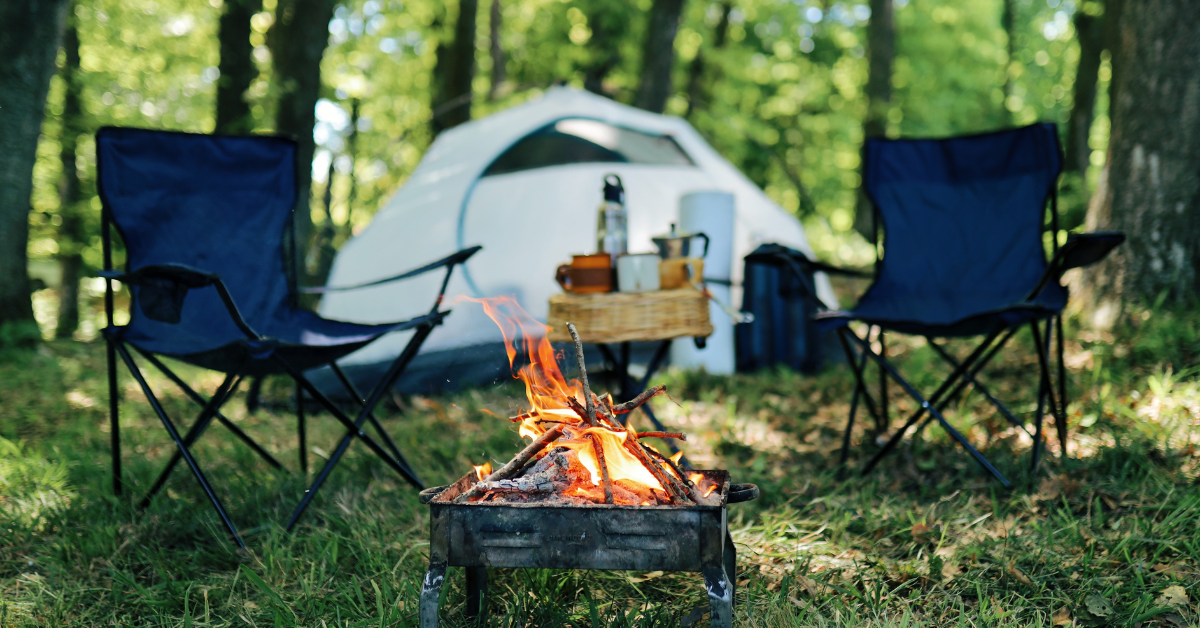
Do you dream of spending a night in the heart of nature, far from the daily grind, but are hesitating between bivouacking and wild camping? Although these two practices are often confused, they differ in many ways. In this article, we explain everything you need to know about bivouacking, its specific characteristics, rules, and essential equipment for a successful experience. Whether you're a beginner or experienced, discover how to prepare for your next bivouac while respecting nature.
The bivouac: A wild immersion in the heart of nature
Bivouacking is a minimalist and temporary form of camping that is increasingly appealing to nature lovers. Whether for a mountain adventure or a night deep in the forest, bivouacking allows you to reconnect with nature in a simple and respectful way. Unlike traditional camping, which often takes place in designated areas, or wild camping, which is less regulated, bivouacking is practiced within a defined framework with strict rules. It's a unique adventure that requires self-reliance, preparation, and complete respect for the environment.
Bivouac vs. Wild Camping: Understanding the Difference
Although the term "bivouac" is sometimes used interchangeably with wild camping, these two practices have notable differences.
Bivouacking refers to a temporary setup for spending the night, often between sunset and sunrise. It is generally permitted in certain areas, particularly in mountains or nature parks, provided local regulations are respected.
Wild camping , on the other hand, involves staying in the same place for longer periods, sometimes several days. It takes place in undeveloped areas, which can pose problems in terms of environmental impact and safety. In France, for example, wild camping is strictly regulated and prohibited in certain regions, particularly on beaches, in protected areas, or near historical sites.
The legal framework: It is essential to be well informed about local regulations before embarking on a bivouac or wild camping trip, as each country, region or natural park may have its own restrictions.
The characteristics of the bivouac
Hours: Generally, bivouacking is permitted between sunset and sunrise. This helps minimize environmental impact while providing a restful night. It's important to leave early in the morning to leave no trace of your visit.
Respect for the environment: Bivouacking is based on a philosophy of respecting and preserving nature. It is crucial to respect the places where you set up camp and to leave no trace. This includes not lighting fires where prohibited, taking your rubbish with you, and not disturbing the local flora and fauna.
Permitted areas: Bivouacking is often tolerated in the mountains or in some national parks, but it is strictly prohibited in other areas such as integral nature reserves. It is important to check the specific rules of each location before setting out.
The ethics of bivouacking: Respect for others and the environment is one of the cornerstones of bivouacking. This means setting up camp discreetly, avoiding crowded areas, and respecting local rules.
Essential equipment for a successful bivouac
To fully enjoy a night camping, it is essential to have the right equipment:
Lightweight tent or tarp: Choose an ultralight tent or tarp for a minimalist and easy-to-carry shelter. This allows you to set up quickly and take down effortlessly.
Sleeping bag and compact mattress: A sleeping bag suitable for the season and an insulating mattress are essential for a comfortable night's sleep, even outdoors.
Portable stove: To prepare a quick meal without impacting the environment, a compact gas stove is essential. It allows you to avoid campfires, which are often prohibited in bivouac areas.
Headlamp and power bank: Nights in the wilderness can be very dark. A headlamp is essential for navigation and simple tasks like pitching a tent or cooking.
Appropriate clothing: Pack light and breathable clothing, but also bring a warm layer for the night. Temperatures can drop quickly, even in summer, especially at altitude.
Light food: Dehydrated meals or energy bars are practical and easy to carry to limit weight.
The golden rules of responsible bivouacking
To practice bivouacking in a respectful and responsible manner, there are a few fundamental principles to follow:
Respect local rules: Before setting off, find out about the regulations in force in the area where you plan to camp. Some parks or regions may have strict restrictions, such as prohibiting overnight stays outside of designated shelters. In some areas, camping is only permitted at a certain altitude or a specific distance from inhabited areas.
Take your rubbish with you: This is one of the key principles of responsible camping. Everything you bring with you must take back with you, including food waste, packaging, and even biodegradable items like fruit peels. The goal is to leave no trace of your visit.
Limit fires: In many areas, campfires are strictly prohibited for safety reasons (fire risk) and to protect the environment. Use a portable stove for cooking and avoid damaging the environment with a fire.
Do not disturb the flora and fauna: It is crucial to respect nature as a whole. This means avoiding camping in fragile areas, not picking plants, and not disturbing wild animals. If possible, set up your campsite at least 200 meters from water sources to avoid disturbing natural habitats.
Choose a discreet and safe location: Set up your bivouac in a secluded spot, away from dwellings, and make sure the location is secure, with no risk of falling rocks or flooding in case of rain.
The best places to camp
Choosing the right campsite is crucial for a successful experience. Here are some of the best places to camp in complete peace of mind:
France:
The Alps : This mountain range is an incredible playground for bivouac enthusiasts, especially around Mont Blanc or in the Vanoise National Park.
The Pyrenees : With spectacular peaks and remote valleys, the Pyrenees offer many authorized bivouac spots, such as in the Pyrenees National Park.
Mercantour National Park : It is one of the few parks in France where bivouacking is allowed from 7 p.m. to 9 a.m., more than an hour's walk from the roads.
Europe:
Norway : Thanks to the "allemannsretten" law, which grants everyone the right of access to nature, you can freely camp almost anywhere in Norway, provided you respect nature.
Scotland : The right to camp is guaranteed in Scotland, provided that nature is respected and private properties are kept away.
Spain : The Spanish Pyrenees and parts of the Sierra Nevada offer magnificent places for bivouacking, but it is necessary to inquire about protected areas.
International :
New Zealand : With its magnificent landscapes, from forests to mountains, camping in New Zealand is an unforgettable experience. Be sure to respect protected areas.
Canada : In some Canadian national parks, such as Banff or Jasper, bivouacking is permitted, provided that the regulations in force are respected.
Patagonia : For adventurers, Patagonia, especially in the Torres del Paine or Los Glaciares parks, is a wild and breathtaking place to camp, but beware of extreme weather conditions.
How to plan your first bivouac
To ensure a successful first bivouac, it's important to prepare in advance. Here are a few tips to get started:
Choose a location based on regulations: Before leaving, identify the areas authorized for bivouacking. Some hiking apps or specific maps can show you the permitted areas.
Check the weather: Weather conditions are a key factor to consider when bivouacking. A night in the wilderness can quickly become uncomfortable or even dangerous if the weather is unfavorable. Remember to check the forecast and adapt your equipment accordingly (sleeping bag suitable for the temperatures, rain shelter, etc.).
Test your gear beforehand: Before heading out into the wilderness, it's important to familiarize yourself with your equipment. Set up your tent or tarp in your garden, test your stove, and make sure everything is working properly. This will help you avoid unpleasant surprises in the field.
Don't go alone: For a first bivouac experience, it's recommended to go in a group, especially if you're not familiar with life in the wilderness. This allows you to share the experience and have support in case of problems.
Conclusion
Camping is a simple and fleeting way to reconnect with nature. By respecting local rules, equipping yourself properly, and adopting an environmentally conscious approach, this experience can become a truly unforgettable adventure. If you'd like to try camping, be sure to check out our range of equipment specifically designed for camping, which will help you prepare for your next getaway.

Leave a comment
All comments are moderated before being published.
This site is protected by hCaptcha and the hCaptcha Privacy Policy and Terms of Service apply.