
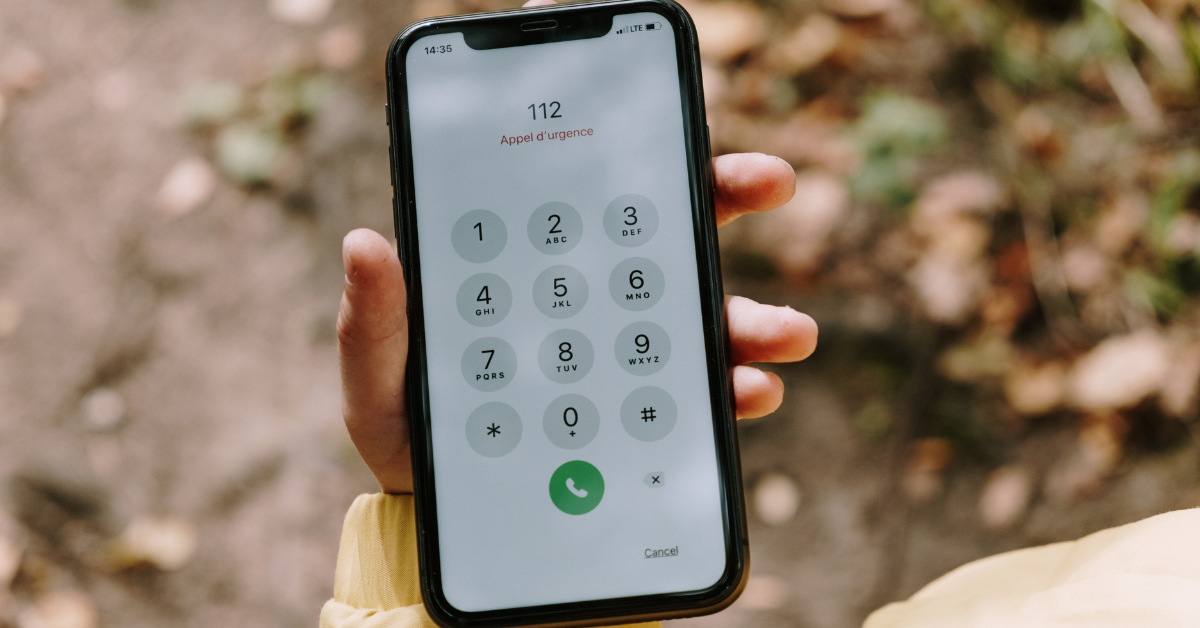
Nature is unpredictable, and when you find yourself isolated in the wilderness with no immediate way back to civilization, it's essential to know the best practices to increase your chances of survival. A tip often shared on social media suggests changing your voicemail message to indicate your location when you're lost. However, this method, while seemingly innovative, has numerous drawbacks that could, in reality, compromise your safety.
Why the Answering Machine Trick Is a Bad Idea
In recent years, a number of survival tips have circulated online suggesting that changing your answering machine message to indicate your location can be useful if you get lost in the wilderness. At first glance, the idea seems appealing: if someone calls you, they will automatically hear your location and other essential information. But in reality, this trick presents several problems.
1. No Signal, No Call
The first obvious problem is that this method only works if you have a network connection. If you're lost in the mountains, the forest, or any other remote area, your phone likely won't have a signal. However, to change your voicemail message, you need to be able to make a call. If your phone has no network coverage, this option becomes completely useless.
2. Battery Consumption
When you're in a survival situation, every percentage point of battery counts. Your phone will already be desperately searching for a signal, which drains a significant amount of power. Changing your voicemail settings will take at least a minute, not counting the time it takes to navigate the options and listen to recorded messages. During this time, your phone continues to lose battery, which could jeopardize your chances of making a call or sending a text message later, when you eventually get a signal.
3. The Relevance of the Information
Even if you manage to change your answering machine message, there's another problem: the message you leave can quickly become outdated. Imagine you say on your answering machine that you're heading north. If you later have to change direction due to an unforeseen obstacle, rescuers will be relying on incorrect information, searching in an area where you no longer are. This location error could delay rescue operations by several hours, or even longer.
Effective Alternatives for Alerting Emergency Services
Rather than relying on an answering machine that requires network access and drains battery power, there are much more reliable alternatives for signaling your presence and situation when you are lost in the wilderness.
1. Airplane Mode: Save Battery
When you venture into remote areas where the network signal is weak or nonexistent, your phone uses more power to try and connect to a network. A simple trick to save battery is to switch to airplane mode when you don't need your phone. In an emergency, you can turn off airplane mode to try and make a call or send a message when you find an area with a signal.
2. SMS: A More Reliable Method
Unlike phone calls, text messages require significantly less network and battery power. If you get lost, sending a short text to several contacts is a much more reliable option than changing your voicemail greeting. A text message can continue to be sent even with a weak signal, increasing your chances of reaching someone. Make sure to write a short but precise message, such as: "Lost in the woods near [location], I've been walking north for about 3 hours. I'm staying put."
SMS has another advantage: it remains in the sending queue until it has been transmitted, unlike a call which fails instantly if the signal is not strong enough.
3. Emergency Calls: Use 112
The emergency number 112 is accessible in most European countries and can be used even without a standard telephone network or active plan. If you are in immediate danger, calling 112 is the best way to contact emergency services. Once the call is made, even if it is quickly disconnected, operators can often roughly locate your position using the nearest cell tower.
When calling 112, it is important to be as precise as possible: state your name, the nature of your problem, and your approximate location, if you know it. For example, "I am lost in the [name] forest. I have been heading north for about 3 hours and have been stuck there ever since."
4. Use Visual and Audible Signals
In addition to communication tools, it is essential to use visual or audible signals to attract the attention of rescuers, especially if you are in a difficult-to-access area. Lighting a fire, using a mirror to reflect light, or producing steady sounds with a whistle are effective ways to signal your location to a helicopter or a ground rescue team.
Advance Preparation: The Best Strategies to Avoid Loss
The key to avoiding a critical situation in the wilderness is preparation. Here are some essential strategies to implement before embarking on your adventure to minimize risks and ensure better management in case of an emergency.
1. Inform your loved ones of your itinerary
Before any outing in nature, especially if you are going alone, it is essential to share your itinerary with a friend or family member. Clearly state your starting point, intended direction, and estimated time of return. In case of delay or if you remain silent, your loved ones will be able to contact the authorities with precise information, thus facilitating the search.
2. Carry Essential Survival Equipment
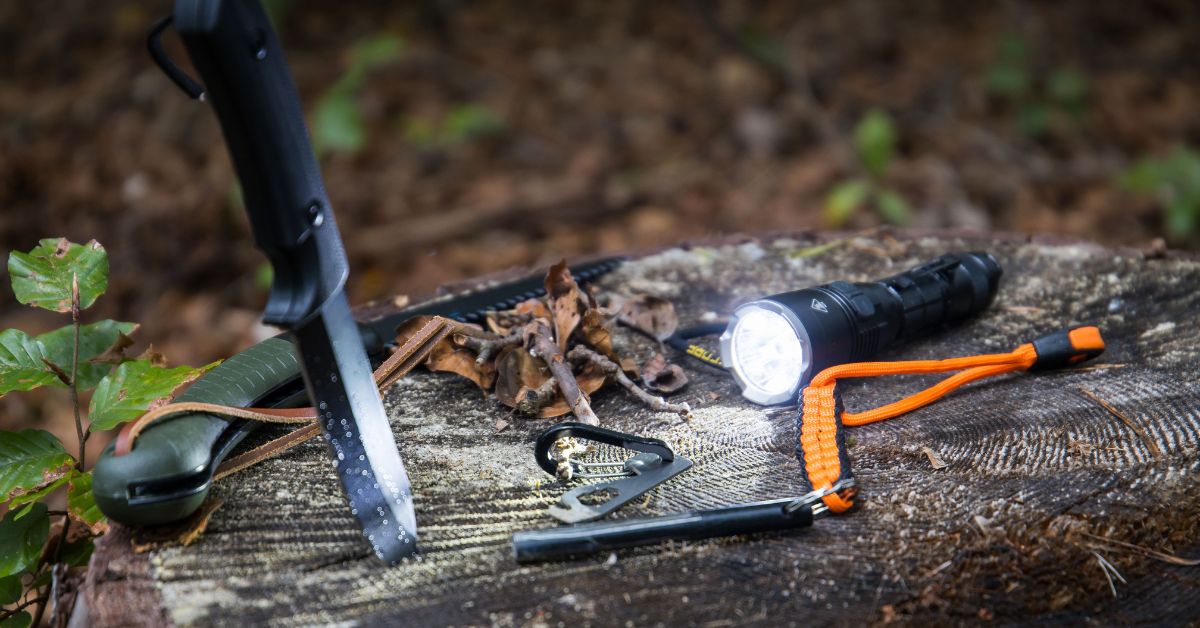
Even for a day hike, it's advisable to carry basic survival gear. A survival blanket, whistle, compass, headlamp, and fire starters can make a big difference if you end up spending more time in the wilderness than planned. A portable charger for your phone is also essential, ensuring you can recharge it if needed.
3. Master the Use of Maps and Compasses
In a world dominated by technology, it's easy to forget traditional navigation tools. However, in the wilderness, maps and compasses remain the most reliable means of orientation, especially when there's no cell service. Before setting out, make sure you know how to use them effectively and, if possible, bring a detailed map of the area.
Act with Discretion in Case of Loss
If, despite all precautions, you find yourself lost, it is essential to remain calm and make informed decisions. Rather than relying on unreliable methods like answering machines, apply tried-and-tested techniques that have proven effective in survival situations.
1. Don't Move Unnecessarily
One of the first mistakes many people make when they get lost is to keep walking in the hope of finding their way back. If you're unsure of which direction to take, stay where you are. This increases the chances of rescuers finding you, especially if you've signaled your location or used other signaling techniques.
2. Be Visible
Make sure you are easy to spot. If you have brightly colored clothing or reflective gear, make sure it is clearly visible. If you are in dense forest, find a more open area where a helicopter or rescue workers on the ground could spot you more easily.
3. Conserve Your Energy
When you're lost, every move and every action must be deliberate. Don't waste your energy attempting pointless actions, like searching for a network in areas where you know there's no signal.
Conclusion: Priority should be given to preparation and listening to best practices.
Finding yourself in an emergency situation in the wilderness can happen to anyone, but it's crucial to rely on reliable and appropriate practices. Rather than following dubious tips like changing your voicemail greeting, it's better to prepare in advance and know how to react if you get lost. By following these tips, you'll maximize your chances of survival and make the rescue team's job easier.
For all your outdoor adventures, don't forget to equip yourself properly with bivouac and survival gear. The right tools and careful preparation make all the difference in critical situations.
In short, bushcraft and wilderness survival require not only ingenuity, but also thorough preparation and technical knowledge. Relying on modern methods like answering machines might seem like a good idea at first glance, but this solution has many limitations, particularly in terms of reliability and effectiveness. On the other hand, turning to tried-and-tested practices, such as sending text messages, managing your phone's battery wisely, and using traditional navigation tools, is a much safer choice.
The key is to always anticipate the unexpected and never rely solely on technology for survival. Good mental, physical, and material preparation will not only allow you to react appropriately in an emergency, but also to fully enjoy your outdoor adventures with complete peace of mind.
This article has given you an overview of common mistakes to avoid and best practices to adopt in survival and bushcraft. If you're planning an adventure, don't forget to visit Bivouacamp , your specialist in bivouac, hiking, and survival equipment, to best prepare for all your expeditions.


Leave a comment
All comments are moderated before being published.
This site is protected by hCaptcha and the hCaptcha Privacy Policy and Terms of Service apply.