
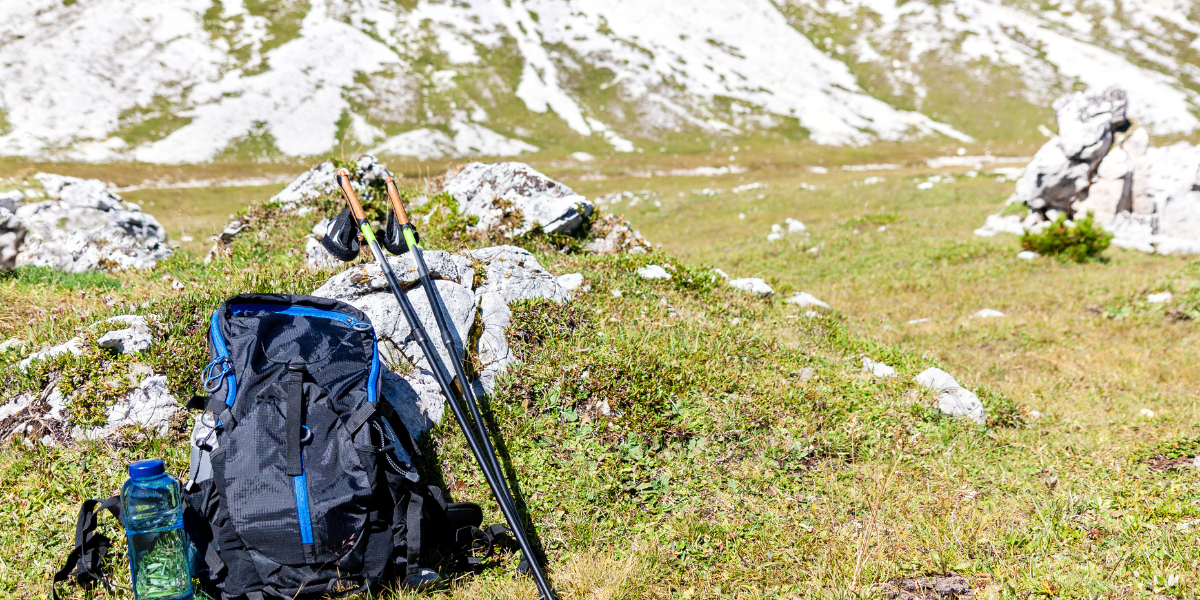
Camping gear is key to a successful outdoor adventure. Whether you're a seasoned trekker or a beginner camper, choosing the right equipment is essential to ensure your safety, comfort, and, of course, enjoyment during your trip. Camping is about reconnecting with nature, far from the comforts of modern facilities, and preparing to face the elements while being self-sufficient. But how can you be sure you have everything you need? This article provides a comprehensive list of camping equipment, from the basics to the details for each category, so you leave nothing to chance for your next trek, hike, or wild camping trip.
Bivouacking, or wild camping, is a unique experience where every preparation decision becomes a key step toward a successful outdoor adventure. Unlike traditional camping, bivouacking involves immersing yourself in wild natural spaces, often without basic amenities. To make this experience a success, choosing lightweight, functional, and high-quality equipment is essential. This article will guide you through a complete list of bivouac equipment, covering the different categories of necessary gear: shelter, sleeping equipment, food, hygiene products, safety equipment, and other accessories. The goal is to provide you with a detailed and comprehensive guide, leaving nothing out.
What is bivouacking?
Bivouacking is a form of wild camping, generally practiced during a hike, trek, or expedition in the wilderness. Unlike traditional camping, where facilities are often accessible by car, bivouacking requires you to be self-sufficient and carry all your equipment. It's a lightweight, completely self-sufficient form of camping where the goal is to blend into the natural environment while respecting environmental regulations.
Bivouacking is therefore synonymous with freedom, but also with meticulous preparation. It's not simply a matter of pitching a tent and sleeping. It involves considering safety, food, hydration, hygiene, and respect for the environment. For this reason, well-chosen equipment is essential.
The basics of bivouac equipment
To have a successful bivouac, there are some basic elements that absolutely must not be overlooked. Here is a detailed overview of the main equipment categories.
1. Bivouac equipment for shelter: your tent, a safe haven
The tent is the central piece of equipment. It's the first item you should consider. A bivouac tent isn't just shelter from the elements, but also a space where you can spend restful nights after your days of hiking.
Choosing the right tent
Choosing a tent depends on several criteria: weight, waterproofing, ease of setup, and wind resistance. Here are the essential elements to consider when buying your bivouac tent:
- Weight : Since you'll be carrying your tent for several kilometers, opt for a lightweight model. Ultralight tents are often made of materials like nylon or polyester, making them easy to carry while remaining durable.
- Ease of setup : You should be able to pitch your tent quickly and easily, even if you're tired after a long day of hiking. Choose a tent with easy-to-assemble poles that doesn't take long to set up.
- Waterproofing : Check the tent's waterproofing, especially the floor. A tent with a waterproof rating of at least 1500 mm (water column) will protect you from heavy rain.
- Ventilation : Bivouac tents are often small and can quickly become stuffy, especially when there is condensation inside. Choose a model that offers good ventilation to avoid dampness.
- Interior space : A bivouac tent should be large enough to comfortably accommodate your sleeping bag and personal belongings. However, it shouldn't be too bulky to avoid adding unnecessary weight.
2-season tents are ideal for summer bivouacs, while 3-season tents are suitable for more variable conditions, offering extra protection against wind and weather.
Tent accessories
- Tent pegs : Quality tent pegs are essential for stabilizing your tent, especially if you're camping in windy areas. Lightweight aluminum models are available that are also durable.
- Tent groundsheet : A groundsheet protects your tent from stones, roots, and moisture. It also makes it easier to keep the inside of your tent clean.
- Repair kit : When camping, unexpected events can occur. A repair kit including patches, needles, and thread is therefore essential for quickly repairing any tears or damage.
| All the tents |
2. Bivouac sleeping equipment: for restful nights
When you're camping, you need to be able to get restful nights despite the lack of comfort. Your sleeping gear plays a crucial role in ensuring your well-being.
Choosing the right sleeping bag
The sleeping bag is one of the most important pieces of your camping gear. There are several types of sleeping bags, but the choice depends mainly on the temperature and conditions in which you will be camping.
- Comfort temperature: The comfort temperature of a sleeping bag is the temperature at which you can sleep without getting too cold or too hot. For summer camping trips, a sleeping bag with a comfort temperature of around 5°C to 10°C may be sufficient. For colder conditions, you will need to choose a bag designed for sub-zero temperatures.
- Down vs. synthetic: Down is lighter and more compact, but it can deteriorate if it gets wet. Synthetic sleeping bags are more durable, moisture-resistant, and dry faster, but they are often bulkier.
- Insulation: Make sure your sleeping bag offers good thermal insulation. A bag with down or synthetic insulating fiber filling will be more effective against the cold.
| All sleeping bags |
Hiking mattress
A good hiking mattress is essential to ensure your comfort during the night. There are two main types of mattresses:
- Foam mattresses: Simple and robust, foam mattresses are heavier and take up more space, but are very resistant and durable.
- Inflatable mattresses: More compact, inflatable mattresses generally offer greater comfort. However, they can be more susceptible to punctures, although reinforced models exist for hiking.
Self-inflating mattresses offer a good compromise between comfort and compactness.
Pillow and other accessories
An inflatable bivouac pillow is lightweight and takes up little space in your pack, but it provides extra comfort during your nights in a tent. Don't forget sleeping bag liners or survival blankets either, which can be useful in extremely cold conditions.
| All inflatable pillows |
3. Camping cooking equipment: feeding yourself in the wilderness
Eating while camping shouldn't be a chore. Good cooking equipment allows you to prepare simple yet nutritious meals while respecting weight and volume restrictions.
Choosing a camping stove
The camping stove is a key element of your camping kitchen. Several types are available depending on your needs:
- Gas stoves: Widely used for summer camping trips, these stoves are simple to use and lightweight. They use gas canisters, which can be purchased in most outdoor stores.
- Multi-fuel stoves: These stoves are more versatile and can use different types of fuel such as gasoline, diesel, or alcohol. Ideal for trekking in cold regions where gas canisters don't work.
- Alcohol stoves: These stoves are very simple to use and offer gentle but effective heat, perfect for short hikes.
| All the stoves |
Filter the water
Hydration is essential for a successful camping trip. A water filter allows you to purify water from natural sources, making it safe to drink. Manual water filters, filter bottles, and pump systems are available. You can also opt for purification tablets or UV purifiers, which guarantee potable water in just a few minutes.
Camping tableware
Camping tableware is designed to be lightweight and durable. Opt for collapsible bowls, insulated mugs, and multi-functional cutlery that are easy to carry and clean. You can also invest in cooking pots that fold down to save space, and compact utensils like integrated spoons, forks, and knives to save even more room.
4. Camping equipment for hygiene and care: staying clean and healthy
Hygiene while camping is an often overlooked aspect, but it plays a crucial role in preventing illness and ensuring well-being during your adventure. Here are the essential items to pack to maintain basic hygiene.
The toiletry bag
Your toiletry bag should be compact but complete. Here are some essential items:
- Biodegradable soap: For washing your body and clothes while respecting the environment. Biodegradable soap is essential to avoid polluting waterways when you wash dishes or laundry.
- Solid shampoo: Easy to carry, solid shampoo is an excellent choice for environmentally conscious campers.
- Solid or compact toothpaste: Opt for toothpaste in the form of tablets or sticks, which are easy to carry.
- Microfiber towel: Lightweight and highly absorbent, this type of towel dries quickly and is ideal for bivouacs.
- Toilet paper: Opt for biodegradable toilet paper that won't pollute the environment. Also, remember to bring a small bag to collect your trash to respect the areas where you're camping.
The first aid kit
A well-stocked first-aid kit is essential for any outdoor adventure. Even if you're an experienced hiker, accidents can happen, so it's important to be prepared. Here are the items to include in your kit:
- Antiseptic for disinfecting cuts and scrapes.
- Bandages, dressings and elastic bandages for minor injuries.
- Cream against insect bites and allergies (ideal for bivouac areas where mosquitoes are present).
- Needle and thread for small repairs to clothing or equipment.
- Tick remover for safely removing ticks.
- Basic medications: analgesic, anti-inflammatory, antihistamine, etc.
- Antiseptic spray and sterile compresses for rapid disinfection.
- Disposable gloves for safely handling objects or injuries.
Safety and health are paramount, so be sure to tailor your kit to your specific needs.
5. Bivouac equipment, navigation and safety: being self-sufficient
When you are camping, navigation and safety are major concerns, especially when you are in remote or hard-to-reach areas.
Compass and IGN map
Even if you have a GPS, having an IGN map of the area you're exploring and a compass to orient yourself is essential. The IGN map is detailed and reliable, and the compass will allow you to maintain your bearings even without a GPS signal.
GPS and mobile applications
A handheld GPS is an excellent tool for long hikes. It can tell you your exact location, and some models also offer maps and route planning features. If you prefer to use your phone, there are many hiking apps that work even without a mobile network.
Lighting: headlamp and light
Light is essential, especially when traveling at night. A headlamp is the ideal option for keeping your hands free while still providing illumination. Here are a few things to consider:
- Brightness: A 100-150 lumen lamp is sufficient for close-range lighting. For travel in difficult terrain, opt for a more powerful lamp of 200-300 lumens.
- Battery life: Choose a lamp with good battery life, especially if you're going away for several days. USB rechargeable models are practical and eco-friendly.
- Waterproofing: Make sure your lamp is water-resistant, especially if you are camping in humid environments.
| All headlamps |
Solar charger and portable battery
A solar charger is an excellent accessory for long hikes. It will allow you to recharge your phone, GPS, or other electronic devices. Also consider bringing a portable battery so you have power readily available if needed.
6. Other bivouac equipment: useful accessories
Finally, here are some accessories that can complement your bivouac equipment to make it even more practical and enjoyable:
- Trekking pole for longer treks
- Camera to capture the spectacular landscapes you will encounter.
- Binoculars for observing wildlife without disturbing it.
- Rope: Use a lightweight rope for hanging (clothing, equipment) or to secure your equipment.
- Solar charger or external battery to recharge your electronic devices during your stay.
- Logbook and pen to keep track of your experiences and observations.
| All hiking poles |
Respect for the environment and the rules
When camping, it is essential to respect the environment and limit your ecological impact. This includes simple but crucial actions to preserve natural ecosystems.
Leave no trace
The main rule of bivouacking is to leave no trace of your visit. Here are some actions to take to respect this rule:
- Pick up all your waste: Take a garbage bag and pick up your waste, even the smallest items (energy bar wrappers, tea bag filters, etc.).
- Do not pick plants: When bivouacking, it is important to leave the flora intact so that other hikers can also enjoy it.
- Do not disturb wildlife: Avoid feeding animals or disturbing their natural habitats.
- Choose a suitable location: Do not pitch your tent on a fragile site, such as wetlands, animal breeding areas or protected areas.
Use of campfires
When camping, fires are often prohibited, especially in protected areas. It's therefore best to use a gas or multi-fuel stove to avoid any risk of fire. If a fire is permitted, use a designated area and extinguish it completely before leaving.
Conclusion
A successful bivouac relies on good preparation, and the equipment you bring plays a crucial role in this preparation. Tent, sleeping gear, stove, first-aid kit, navigation accessories, hygiene, and respect for the environment are essential elements to consider for a peaceful and memorable experience.
The key to success lies in choosing equipment suited to your specific needs, while also taking into account the weather conditions and the duration of your adventure. By following this comprehensive list of camping equipment, you'll be ready to face all of nature's challenges with confidence and safety, while fully enjoying the freedom and beauty offered by a stay in the great outdoors.
Remember that the spirit of bivouacking is to live in harmony with nature, respecting its rules and traveling light. Happy bivouacking and happy adventures!

Leave a comment
All comments are moderated before being published.
This site is protected by hCaptcha and the hCaptcha Privacy Policy and Terms of Service apply.