
Choosing a motorhome is an important decision, especially for those planning extended adventures or living in one full-time. With the wide variety of brands, models, and configurations available, it can be difficult to know where to begin. In this article, we'll explore the essential elements to consider to help you find the perfect motorhome for your needs.
Understanding the different brands of motorhomes
André, a motorhome enthusiast, praises the quality of the Florium brand, placing it above other manufacturers like Pilote and Rapido . According to him, Florium offers excellent value for money and is in a slightly higher quality category compared to other popular French brands.
Florium isn't the only brand offering high-end vehicles. Other French options include Challenger and Voyageur , each with its own distinctive features. For example, Challenger is known for its affordability and family-oriented models, while Voyageur focuses more on luxury and comfort, with motorhomes incorporating high-quality materials and meticulous finishes.
Before choosing, it's important to determine the type of trips you plan to take. Major brands like Hymer and Carthago also offer quality vehicles, but each model has specific features and advantages that can make a difference for a given user.
New or used: The advantages and disadvantages of each option
André shares his buying experience, having initially opted for a new motorhome before turning to a used model for his second vehicle. Buying a used motorhome has certain advantages. The cost is often lower, and the initial defects of the new vehicle (often called "teething problems") will have already been corrected by the previous owner. However, it is crucial to thoroughly examine the condition of the vehicle and check the maintenance records, especially for specific elements such as waterproofing, which is essential to prevent water leaks.
A new motorhome, on the other hand, offers peace of mind with a manufacturer's warranty, no maintenance worries related to wear and tear, and greater customization in terms of options and interior layout. However, the price is higher, and potential defects may require visits to the dealer for adjustments.
Choosing the right interior layout
One of the key points to consider when choosing your motorhome is the interior layout. According to André, the bedroom configuration is an important factor. A motorhome with a fixed bed at the rear can offer more comfort for those who like to nap during the day, or for couples who don't necessarily have the same sleep schedule.
For large families, an overcab layout can be appealing, as it allows for a large bed above the cab, leaving extra space for bunk beds or additional beds. Other configurations, such as A- class or low -profile motorhomes, are ideal for couples or solo travelers, offering options like drop-down beds that fold down above the lounge, freeing up space during the day.
Equipment and ergonomics: Key elements
When you visit a motorhome, make sure all the equipment is working properly. As André points out, it's important to check that basic equipment like the refrigerator, heater, water pumps, and lights are functioning correctly. Storage spaces, especially cupboards and drawers, are also essential for ensuring a well-organized and accessible interior.
Drawers are often preferable to cupboards, as they allow easier access to items without having to bend down or rummage around. In a motorhome, every inch counts. Also check the storage compartments under the beds or in the garages, which can offer extra space for equipment such as camping tables , camping chairs , or outdoor gear.
The engine: Power tailored to your needs
The motorhome's engine is also a key selection criterion. Most motorhomes are equipped with diesel engines, which offer sufficient power to move the living area while maintaining reasonable fuel consumption. As André explains, a 150-horsepower engine, like the one in the Ducato model, can easily maintain a cruising speed of 110 km/h on the motorway.
The choice between a manual or automatic transmission depends on your personal preferences and the type of driving you plan to do. An automatic transmission offers undeniable comfort in the city and on winding roads, but it can also result in slightly higher fuel consumption.
Water consumption and self-sufficiency: A crucial aspect for wilderness travel
For those planning trips into the wilderness, water autonomy is crucial. André mentions that by using water reasonably, his camper van can last about three days completely self-sufficient, which is sufficient for getaways to remote locations.
Modern motorhomes are generally equipped with water tanks with a capacity of 100 to 160 liters, allowing for quick showers and toilet use without daily refills. If you want to maximize your motorhome's self-sufficiency, consider adding an extra water tank or a toilet cassette.
Essential accessories and comfort equipment
A well-equipped motorhome is a comfortable one. Comfort features include a toilet and a spacious shower, which make the motorhome experience more enjoyable, especially for longer stays.
Adding equipment such as a folding toilet seat , camping-specific dishes , and a large-capacity refrigerator also contributes to making life on board more comfortable. Lightweight dishes save weight, an important factor in motorhomes, and prevent overloading drawers and cupboards.
Choosing the right place to buy and the type of after-sales service
Finally, the choice of dealership or online marketplace is also crucial. Buying from a dealership offers the advantage of direct after-sales service and personalized advice. On the other hand, used car platforms like Le Bon Coin offer more price flexibility, but the buyer should pay close attention to the vehicle's condition, the availability of service records, and any potential additional costs to bring the vehicle up to standard.
If you opt for a used motorhome, be sure to thoroughly check its maintenance history. Some brands require an annual inspection to guarantee the watertightness of the living area, which can be a good indicator of the quality of maintenance.
Understanding the different types of motorhomes: Coachbuilt, Low-profile, A-class
Before finalizing your choice, it's helpful to understand the different categories of motorhomes. Each type of motorhome has specific characteristics in terms of size, space, and comfort.
-
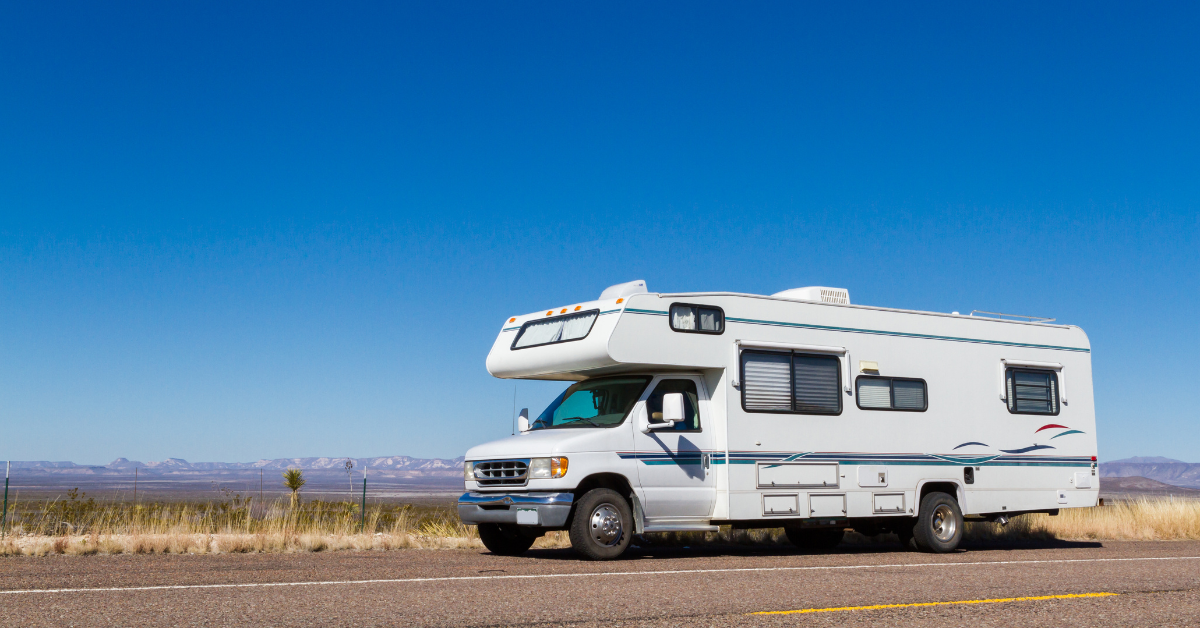
Overcab motorhomes : These models are recognizable by their cab with a bunk above the driver's seat. This type of motorhome is ideal for families, as it offers a large additional sleeping area. The overcab design allows you to keep the living space free while offering sleeping options for several people. However, this type of vehicle may be less aerodynamic and consume slightly more fuel.
-
Low-profile motorhomes : These models are more aerodynamic than overcab motorhomes, with a lower profile. They are well-suited to couples or small families looking for a good compromise between space and maneuverability. A drop-down bed is a common option in low-profile motorhomes, freeing up space during the day.
-
Fully Integrated Motorhomes : This type of motorhome is often considered the top of the range. The living space is fully integrated, allowing for maximum space optimization and optimal comfort. Fully integrated models are generally more expensive but offer a more spacious and open living area and cab. They are well-suited for couples or long-term travelers looking for comfort similar to that of a small house on wheels.
Comfort and independence criteria for a pleasant stay
Autonomy and comfort are essential criteria for fully enjoying the motorhome experience. It is important to consider comfort features such as:
-
Shower and toilet : Make sure the shower is spacious enough for your needs. A large water tank and a toilet with an additional cassette can offer greater autonomy, especially for stays away from campsites.
-
Storage spaces : A well-designed motorhome offers practical and ample storage for all the necessary equipment. Opt for large, easily accessible cupboards and drawers to avoid constantly having to move things around to access storage.
-
Kitchen equipment : A good-sized refrigerator, an oven or microwave, and a multi-burner stove are essential for those who enjoy cooking on board. Lightweight, foldable dishes save space without sacrificing comfort.
Security: an often overlooked but essential point
A good motorhome is also a safe vehicle. It is important to check several safety features, whether buying new or used:
-
Tire condition : Tires in good condition and properly inflated ensure better road handling. If in doubt, replace them to avoid any risk, especially on long journeys.
-
Fire safety equipment : Ensure the motorhome is equipped with a fire extinguisher and a smoke detector. For those who regularly cook on board, a carbon monoxide detector is also recommended.
-
Locking systems : As with a home, the security of doors and windows is crucial, especially if you plan to stop in remote locations. Some motorhomes are equipped with reinforced locks, additional deadbolts, or even alarm systems for added peace of mind.
Administrative procedures and insurance for your motorhome
Owning a motorhome involves certain administrative procedures. Like any vehicle, it must be registered and insured. It is recommended to take out specialized motorhome insurance, which takes into account the specific characteristics of this type of vehicle. Some insurers offer specific coverage for belongings inside, equipment, and risks associated with traveling abroad.
If you're buying a used car, remember to check the vehicle's history and any past accidents. A lien-free certificate can provide additional security when you buy it.
Take a test drive: The best way to find the perfect motorhome
As André said, it's often a good idea to rent a motorhome to test the model you're considering. A rental of a few days will allow you to discover the advantages and disadvantages of the model, as well as see if the space and layout suit your lifestyle.
Some models may seem perfect on paper, but prove impractical in use. Testing the vehicle on different types of roads and in different conditions (camping, wilderness, small towns) can give you a good idea of its handling and comfort.
Conclusion: Choosing a motorhome is a personal and well-considered decision.
Choosing a motorhome is a process that requires careful consideration. Between brands, model types, equipment, and autonomy requirements, every detail counts to ensure the most enjoyable experience on the road. Take the time to compare options, carefully assess your needs, and test drive if possible before buying.
The ideal motorhome is the one that best suits your lifestyle, travel habits, and budget. Whether you choose a new or used model, the most important thing is to make an informed choice to fully enjoy the freedom and adventure that motorhome life offers.

Leave a comment
All comments are moderated before being published.
This site is protected by hCaptcha and the hCaptcha Privacy Policy and Terms of Service apply.